GOAL NFT: What It Is, Why It Matters, and What You Need to Know
When people talk about GOAL NFT, a type of non-fungible token tied to sports achievements, team milestones, or player moments on the blockchain. Also known as sports NFTs, it’s not just digital art—it’s a claim to a piece of virtual history, often linked to real-world events like goals, wins, or record-breaking plays. Unlike generic NFTs that sell pixelated apes or abstract art, GOAL NFTs try to tie value to something measurable: a goal scored, a match won, a player’s signature moment. But here’s the catch—most of them don’t hold value because no one’s actually using them.
GOAL NFTs rely on blockchain gaming, games built on decentralized networks where in-game assets are owned by players, not companies. Also known as play-to-earn games, they’re the backbone of projects that try to turn sports highlights into tradeable items. But blockchain gaming is messy. Many platforms launch GOAL NFTs with big promises—"own the moment," "trade future goals," "earn from every assist"—but then vanish when the hype fades. Look at projects like KALATA, a token tied to a CoinMarketCap airdrop that briefly gained attention but now has no active community. Also known as airdrop tokens, they show how quickly excitement turns to silence when utility disappears. GOAL NFTs follow the same pattern. They’re often built on low-traffic chains, lack real-world integration, and have zero secondary market activity. Even when they’re linked to real teams or leagues, the NFTs rarely work outside their own app.
Then there’s the digital collectibles, items that exist only online, with ownership verified by blockchain, often used for fandom, speculation, or status. Also known as crypto collectibles, they’ve been around since CryptoKitties—but most failed to move beyond novelty. GOAL NFTs are just the latest version. Think of them like trading cards, but instead of being printed on paper and stored in binders, they’re locked in a wallet you might forget exists. The difference? Paper cards have value because people trade them. GOAL NFTs? Most sit unused because there’s nowhere to sell them, no one to buy them, and no reason to care after the first month.
And here’s the real problem: GOAL NFTs are often marketed as investments, not experiences. But if you look at the posts below—like the ones on LUM, BELLE, or TROLLGE—you’ll see the same story over and over. A token launches with hype. A few people buy in. The price spikes for a week. Then it drops 99%. No updates. No team. No roadmap. Just a dead contract and a Discord server full of bots. GOAL NFTs aren’t any different. They’re built on the same flawed logic: if we call it a "sports asset," people will pay for it. But value doesn’t come from labels. It comes from use.
What you’ll find in the posts below isn’t a guide to buying GOAL NFTs. It’s a collection of real cases where crypto projects promised something big—and delivered nothing. You’ll see how crypto assets fail, how communities vanish, and why most "innovations" are just rebranded gambling. If you’re thinking about jumping into GOAL NFTs, read these first. You might save yourself from losing money on a digital goal that no one else remembers.
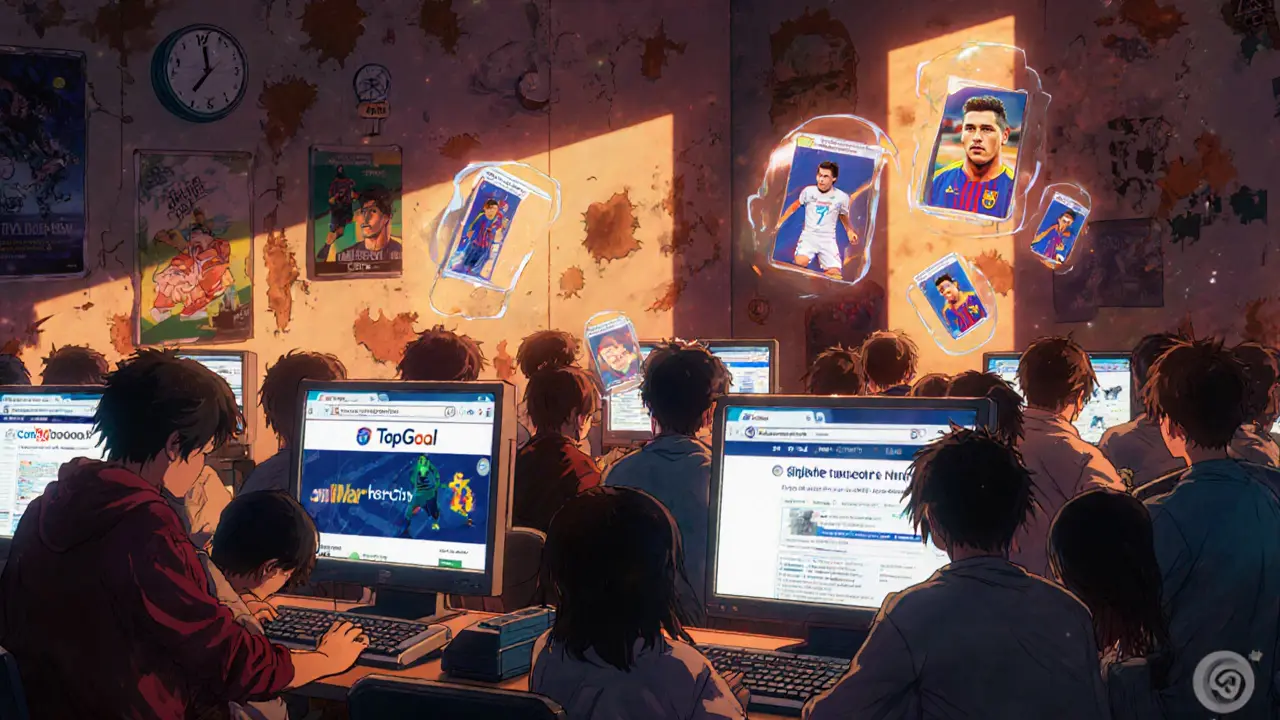
TopGoal GOAL x CoinMarketCap NFT Airdrop: What Actually Happened and Why There’s No Third Event
TopGoal's only confirmed NFT airdrop with CoinMarketCap was in 2022. There is no third event in 2025. Learn what happened, why the project stalled, and how to avoid scams.