What is Boss Token (BOSS) Crypto Coin: BSC Meme & DeFi Guide
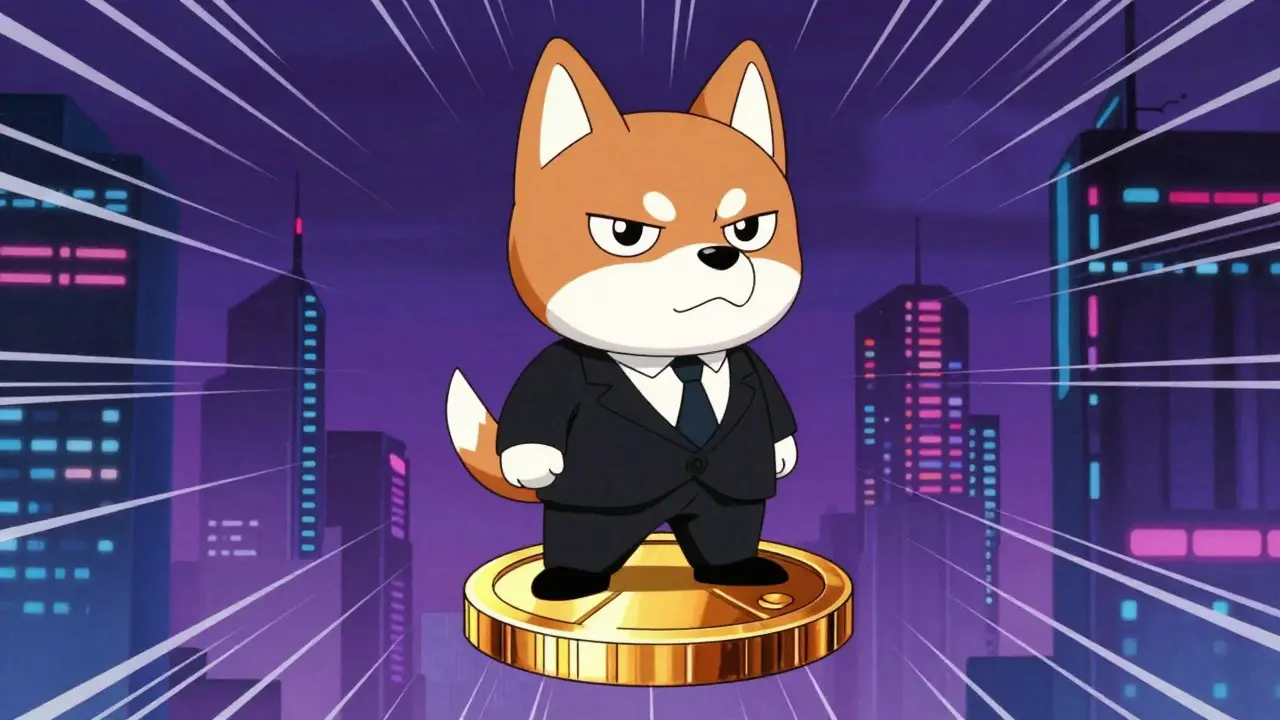
Most people searching for Boss Token are trying to figure out if this tiny BNB Smart Chain project is worth their time or just another flash-in-the-pan meme. The short answer? It’s a micro-cap, community-driven token that promises passive income through transaction fees but comes with the high volatility and low liquidity typical of its niche.
If you’re new to the world of reflection tokens, BOSS might look confusing at first glance. Why does your balance go up just by holding it? Why is the supply number so absurdly large? This guide breaks down exactly what Boss Token is, how its mechanics work, and what you need to know before dipping a toe into this specific corner of the crypto market.
The Core Identity: A Dog-Themed Meme on BSC
Boss Token (BOSS) is a community-driven decentralized finance (DeFi) meme cryptocurrency operating on the BNB Smart Chain. Its primary marketing angle is simple: it aims to become the "boss" of dog-themed coins. You’ll see this branding consistently across major trackers like CoinMarketCap and Coinbase, positioning it alongside giants like Dogecoin and Shiba Inu, albeit on a much smaller scale.
Unlike utility tokens built to solve specific technical problems, BOSS relies on social momentum and holder incentives. It’s not a new blockchain; it’s a BEP-20 style token that lives within the existing BNB Smart Chain infrastructure. This means it benefits from BSC’s low transaction fees and fast block times, which is crucial for the frequent trading activity required to fuel its reward mechanisms.
How the Money Moves: Reflections, Liquidity, and Burns
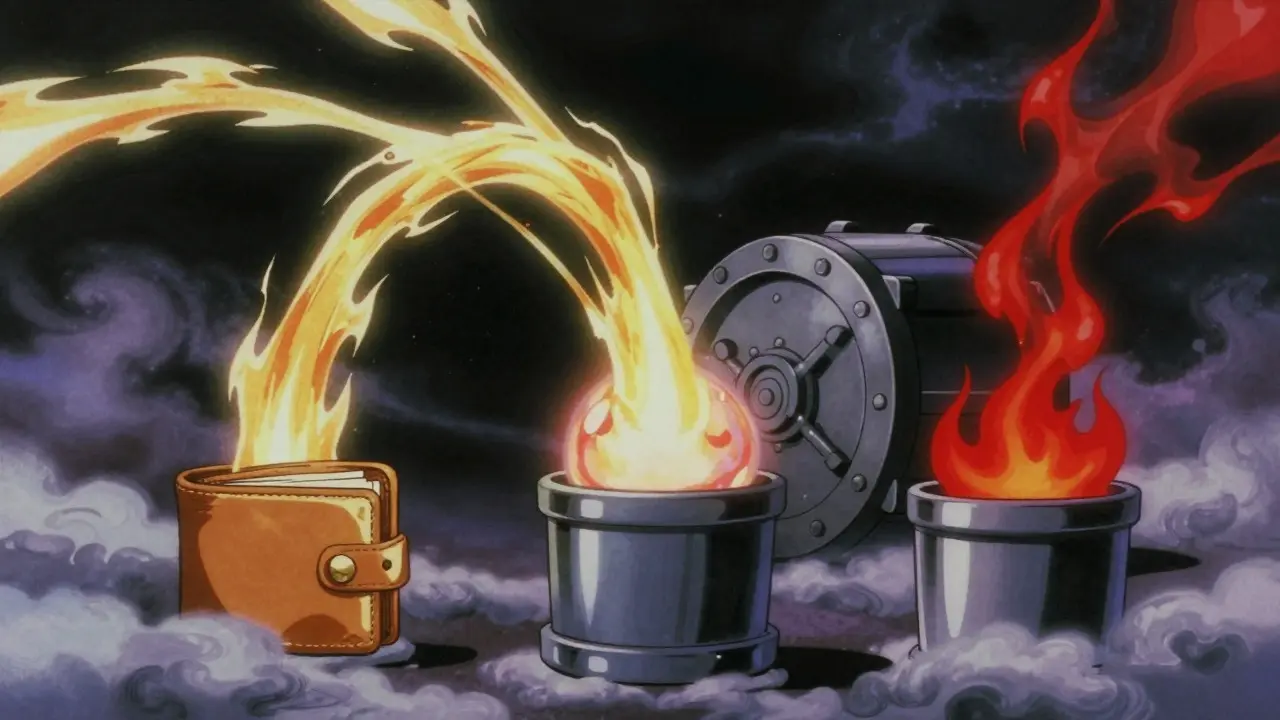
The heart of Boss Token lies in its fee structure. Every time someone buys, sells, or transfers BOSS, a portion of that transaction is automatically diverted into three buckets. Understanding these three functions is key to understanding the token's value proposition.
- RFI Static Rewards: A percentage of every trade is redistributed to existing holders. If you hold BOSS in a compatible wallet, your balance slowly increases over time without you doing anything. This is often called "reflection" or "passive income."
- Liquidity Acquisition: Another slice of each transaction is automatically converted into liquidity pairs (usually BOSS/BNB) and locked in pools. This helps keep the price stable and ensures there’s always enough depth for traders to exit positions.
- Deflationary Burning: A final portion is permanently burned, reducing the total circulating supply over time. In theory, fewer tokens available should create scarcity pressure, potentially driving the price up as demand remains constant or grows.
It’s important to note that while these mechanisms are described clearly in project documentation, the exact percentage split isn’t always prominently displayed on aggregator sites. However, the combination of rewards, liquidity locking, and burning is a standard playbook for many successful reflection tokens in the BSC ecosystem.
Tokenomics: Quadrillions of Tokens, Tiny Market Cap
When you look at the numbers for Boss Token, they can be intimidating. The maximum supply is set at 1 quadrillion (1,000,000,000,000,000) BOSS. Yes, that’s a one followed by fifteen zeros. This is a common tactic in meme coins to make individual units seem affordable, even if the total market cap is relatively small.
| Attribute | Value/Description |
|---|---|
| Network | BNB Smart Chain (BSC) |
| Max Supply | 1 Quadrillion (1,000,000,000,000,000) BOSS |
| Circulating Supply | ~394-397 Trillion BOSS |
| Initial Burn | 50% of total supply sent to burn wallet at launch |
| Team Allocation | 5% reserved for development and marketing |
| Market Cap Range | $500,000 - $900,000 USD (varies by source/time) |
| Daily Volume | ~$1,000 - $1,500 USD |
At launch, 50% of the supply was burned immediately, leaving 45% in community hands and 5% for the team. Currently, the circulating hovers around 395 trillion BOSS. Because the market cap is only in the low hundreds of thousands of dollars, the price per token is incredibly low-often less than a billionth of a dollar. This makes it a classic micro-cap asset. While this offers high potential upside, it also means high risk. A single large sell-off could significantly impact the price due to the thin order books.
Where to Trade and How to Buy
You won’t find Boss Token listed on major centralized exchanges like Binance CEX or Coinbase for direct trading. Instead, it’s a DEX-centric token. The primary venue for buying and selling BOSS is PancakeSwap v2 on the BNB Smart Chain.
To interact with BOSS, you typically need:
- A BSC-compatible wallet (like MetaMask or Trust Wallet).
- BNB in your wallet to pay for gas fees.
- Access to a decentralized exchange like PancakeSwap.
Binance has a "Web3 Wallet" feature that allows users to bridge from their central account to the DEX environment, making it easier for some users to access BOSS without managing a separate hardware wallet initially. However, always double-check the contract address before swapping, as ticker symbols can be duplicated.
Risks and Things to Watch Out For
Like all meme coins, Boss Token carries specific risks that differ from established cryptocurrencies like Bitcoin or Ethereum.
- Liquidity Risk: With daily volumes often under $2,000, exiting a large position can be difficult without moving the price against yourself. Slippage can be high during volatile periods.
- Ticker Confusion: There is another token with the ticker "BOSS" on the Solana blockchain. Before buying, ensure you are looking at the BNB Smart Chain version. Check the contract address carefully.
- Team Transparency: The project is described as community-driven with a "fair launch," but named founders and audited governance structures aren’t prominently featured on major aggregators. Reliance on community channels for updates is higher here than in institutional-grade projects.
- Smart Contract Risks: While automatic liquidity locks help prevent rug pulls, no public audit details are widely cited in general listings. Always do your own diligence on contract security if you plan to hold long-term.
The Future: Boss Track and Beyond
Is Boss Token just a passive yield play, or is there more to it? The project roadmap mentions a decentralized application called Boss Track. This tool is designed to help users track their portfolios across multiple chains, including Ethereum and BSC. If delivered successfully, this would give BOSS a utility layer beyond just meme status, potentially attracting developers and power users who need cross-chain visibility.
Additionally, the project claims to impact gaming and lending sectors, though specific partnerships haven't been detailed in mainstream sources yet. For now, BOSS remains primarily a speculative vehicle driven by its reflection mechanics and community hype.
Frequently Asked Questions
What is the main purpose of Boss Token?
Boss Token is a meme coin on BNB Smart Chain designed to provide passive income to holders through transaction fee redistribution (reflections), automatic liquidity provision, and deflationary burns.
Which blockchain does Boss Token run on?
Boss Token runs on the BNB Smart Chain (BSC). It is a BEP-20 token. Note that there is a different BOSS token on Solana; always verify the network before trading.
How do I earn rewards from holding BOSS?
Rewards are automatic. As other users trade BOSS, a portion of the fees is distributed proportionally to all holders. Your wallet balance will increase over time based on network activity and your share of the total supply.
Where can I buy Boss Token?
You can buy Boss Token on decentralized exchanges like PancakeSwap v2. It is not currently listed on major centralized exchanges like Binance CEX or Coinbase for direct spot trading.
Is Boss Token safe to invest in?
All micro-cap meme coins carry high risk. BOSS has automatic liquidity locks and a fair launch history, but low trading volume and lack of prominent audits mean you should only invest what you can afford to lose. Always check the latest contract status and community sentiment.