Thorus Crypto Exchange Review: Is It Safe or a Scam?

Have you heard about Thorus and are wondering if it’s the next big thing in crypto trading? Before you connect your wallet or deposit a single dollar, we need to clear up a massive misunderstanding. If you are looking for a traditional, centralized cryptocurrency exchange like Coinbase or Binance where you can buy Bitcoin with a credit card and get customer support if things go wrong, Thorus is not that platform.
In fact, there is no widely recognized centralized exchange by this name in major 2026 rankings from trusted sources like NerdWallet or Finder. What exists under the name "Thorus" is a niche, decentralized finance (DeFi) protocol built on the Avalanche blockchain. This distinction changes everything about how safe, how easy, and how profitable using this platform actually is. Let's break down exactly what Thorus is, why it carries significant risks, and whether it deserves a spot in your portfolio.
What Is Thorus Finance?
To understand the risk, you first have to understand the product. Thorus Finance, also known as Thorus DEX, is an automated market maker (AMM) and yield-generating protocol. It launched during the explosive growth of the Avalanche ecosystem in late 2021.
It belongs to a specific category of projects often called "OHM forks." These protocols were inspired by OlympusDAO and promised incredibly high annual percentage yields (APYs) through a mechanism called rebasing staking. Instead of earning interest in cash, your token balance would increase automatically over time. In return, users provided liquidity or bought the native token at a discount through bonding mechanisms.
Here is the catch: these high yields weren't generated from real-world revenue or lending activity. They were largely fueled by inflation-printing more tokens to pay early investors. When new money slowed down, the token price usually collapsed. While some of these projects survived, many saw their value drop by over 90% during the 2022-2023 bear market.
Centralized vs. Decentralized: The Critical Difference
This is where most beginners get burned. You cannot treat Thorus like a bank or a standard exchange. Here is how they compare:
| Feature | Centralized Exchange (e.g., Kraken, Coinbase) | Thorus Finance (DeFi) |
|---|---|---|
| Custody | The exchange holds your funds. You trust them. | You hold your own keys via a wallet. You are responsible for security. |
| Fiat On-Ramp | Yes. Buy crypto with USD, EUR, etc. | No. You must already own crypto (like AVAX) to use it. |
| Regulation | Licensed and regulated in many jurisdictions. | Unregulated. No legal recourse if hacked or scammed. |
| Customer Support | Email, chat, and phone support available. | Community-only (Discord/Telegram). No official help desk. |
| Security Audits | Regular third-party security audits. | No widely publicized audits from firms like CertiK or OpenZeppelin. |
If you see "Thorus" advertised as a place to easily buy Bitcoin with a bank transfer, be extremely cautious. That description fits a centralized exchange, which Thorus is not. If a website claims to be a centralized version of Thorus, it may be a phishing site trying to steal your credentials.
Security Risks and Lack of Audits
When dealing with smart contracts, code is law. If there is a bug in the code, hackers can drain the funds, and there is no insurance policy to cover you. Major DeFi protocols proudly display badges from auditors like CertiK, Quantstamp, or Trail of Bits.
There is no credible evidence in public records that Thorus Finance has undergone rigorous, independent security audits by these top-tier firms. This doesn't automatically mean the code is broken, but it means you are flying blind. For a project that handles user deposits and complex bonding mechanics, the absence of an audit is a major red flag.
Additionally, Thorus does not appear to have an active bug bounty program on platforms like Immunefi. Professional exchanges and blue-chip DeFi protocols pay hackers thousands or millions of dollars to find vulnerabilities before criminals do. Without this layer of defense, your funds are exposed to higher risks.
How to Use Thorus (If You Still Want To)
If you understand the risks and still want to interact with the Thorus protocol on Avalanche, here is the technical process. Note that this requires prior knowledge of blockchain technology.
- Set Up a Wallet: You need a non-custodial wallet like MetaMask or Core Wallet. Configure it to connect to the Avalanche C-Chain network.
- Acquire AVAX: You cannot deposit fiat currency. You must buy AVAX on a reputable centralized exchange (like Kraken or Coinbase) and withdraw it to your MetaMask address on the Avalanche network.
- Connect to the Interface: Navigate to the official Thorus web application. Double-check the URL to ensure you aren't on a fake phishing site.
- Interact: Connect your wallet. From here, you can swap tokens, provide liquidity to pools, or stake/bond the native THO token.
Every step involves gas fees paid in AVAX. If you make a mistake-such as sending funds to the wrong contract address or approving an unlimited token allowance-you could lose your entire investment instantly.
Current Status and Market Activity
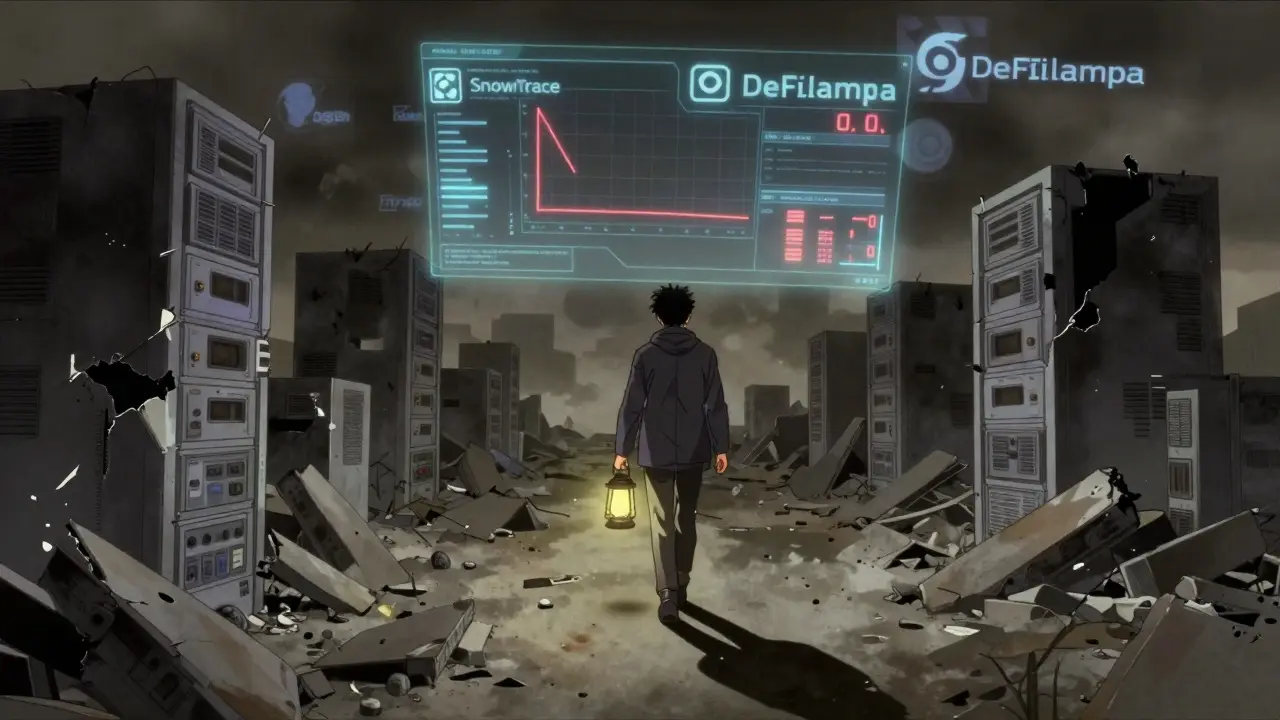
Activity around Thorus peaked during the 2021-2022 DeFi boom. Since then, like many OHM-style forks, its total value locked (TVL) and trading volume have likely declined significantly. There is no recent coverage from major crypto news outlets like CoinDesk or The Block regarding new partnerships, updates, or governance milestones for Thorus.
To verify if the project is still alive today, you should check on-chain data yourself:
- Visit SnowTrace, the block explorer for Avalanche, and look for recent transactions interacting with Thorus contracts.
- Check DeFiLlama to see if Thorus still appears in the list of active protocols with measurable liquidity.
- Review their official Discord or Telegram channels for recent developer announcements.
If the community is silent and the liquidity is near zero, the project may be abandoned. Interacting with dead protocols can lead to severe slippage, meaning you sell your tokens for a fraction of their actual value because there is no one left to buy them.
Verdict: Who Is Thorus For?
Thorus Finance is not suitable for beginners. It is not a safe harbor for long-term savings. It is a high-risk, experimental DeFi protocol on the Avalanche network that lacks the security audits, regulatory oversight, and institutional backing of major exchanges.
If you are looking for a reliable place to trade crypto, stick to established, regulated platforms like Kraken, Coinbase, or Bybit. If you are an advanced DeFi user looking to experiment with niche Avalanche protocols, proceed with extreme caution. Never invest more than you can afford to lose entirely, and always verify contract addresses directly from official sources.
Is Thorus a scam?
While Thorus Finance itself is a legitimate DeFi protocol on Avalanche, the lack of security audits and the history of similar "OHM fork" projects make it highly risky. Additionally, many phishing sites use the name "Thorus" to trick users into connecting their wallets to fake centralized exchanges. Always verify you are on the correct official website.
Can I buy Bitcoin on Thorus?
No. Thorus is a decentralized exchange (DEX) focused on Avalanche-based tokens. It does not support fiat currencies (USD, EUR) and likely does not offer direct Bitcoin trading pairs. You must already own cryptocurrency to use it.
Does Thorus require KYC (Know Your Customer)?
As a decentralized protocol, Thorus does not require identity verification. You interact with it using a non-custodial wallet like MetaMask. However, this also means there is no account recovery if you lose your private keys.
Is Thorus available in the United States?
Technically, anyone with an internet connection can access the Thorus website. However, because it is unregulated and potentially involves securities-like tokens, US users face significant legal and financial risks without any consumer protections.
Why isn't Thorus listed on major exchange reviews?
Major review sites like NerdWallet and Finder focus on centralized exchanges that serve mainstream consumers. Thorus is a niche DeFi protocol with low liquidity and high complexity, so it does not meet the criteria for general recommendation lists.