NFT Market Crash: What Happened and Why It Matters in 2026
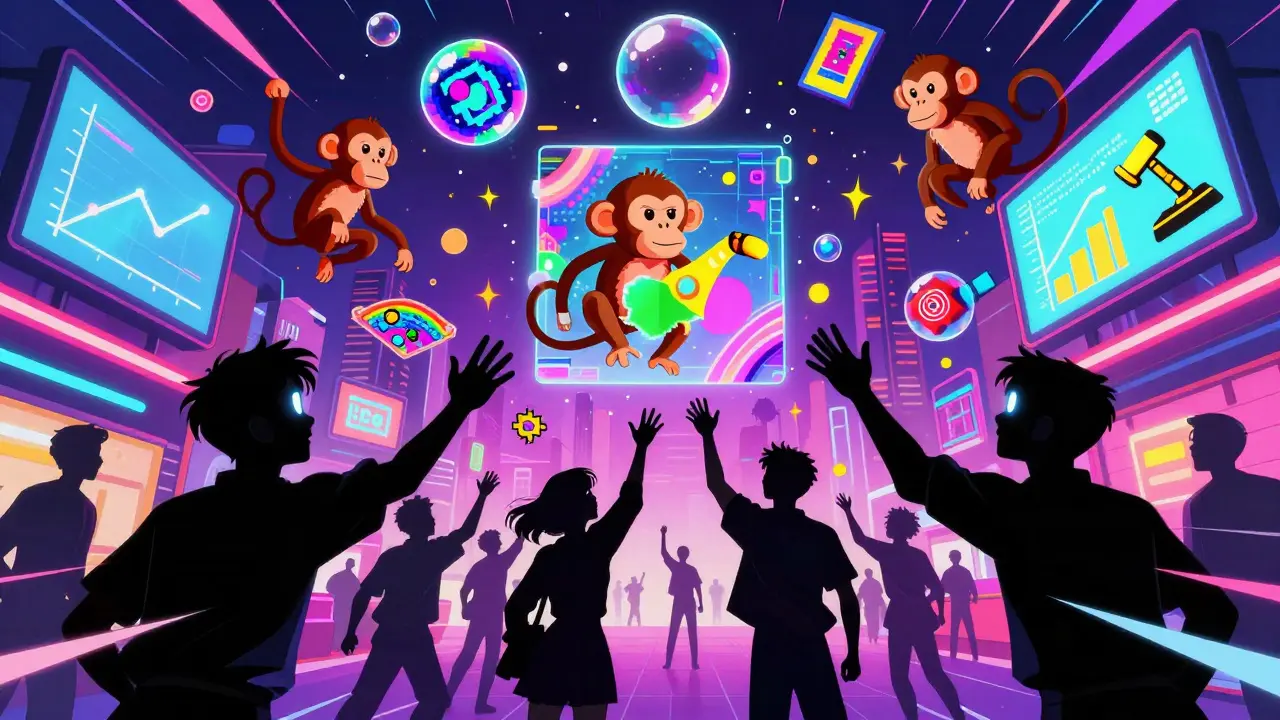
Remember when buying a pixelated monkey felt like the smartest financial move you could make? In late 2021, that wasn’t just a meme-it was reality. The NFT market is a digital ecosystem for unique assets on blockchain technology had reached dizzying heights, with monthly trading volumes hitting $2.8 billion. Then, almost overnight, it didn’t. By mid-2022, daily sales plummeted by 92%. The total market cap dropped from nearly $3 trillion to under $1 trillion. If you bought at the peak, you likely watched your portfolio evaporate. But why did this happen so fast? Was it just bad luck, or were the warning signs there all along?
To understand what happened, we have to look past the headlines about 'dead' tech. The crash wasn't a single event; it was a perfect storm of economic pressure, regulatory fear, and a burst speculative bubble. For anyone interested in blockchain knowledge today, understanding this collapse is crucial. It teaches us how markets behave when hype outpaces utility.
The Peak of Irrational Exuberance
Before the crash, there was the boom. The year 2021 was defined by what experts called "irrational exuberance." This term, originally used by economist Robert Shiller, perfectly described the NFT frenzy. Digital artist Mike Winkelmann, known as Beeple, sparked mainstream interest when his work sold for $69 million at Christie’s auction house. That sale legitimized digital art for traditional collectors who had previously dismissed it as fleeting internet culture.
This validation triggered a cascade effect. Luxury brands like Gucci and Dolce & Gabbana launched their own NFT collections. NBA Top Shot attracted high-profile investors. Projects like Bored Ape Yacht Club and CryptoPunks became status symbols, selling for millions of dollars each. The narrative was simple: these digital assets would only go up in value. FOMO (Fear Of Missing Out) drove retail investors to buy anything with an .jpg attached to a blockchain receipt. However, this growth was built on speculative foundations rather than intrinsic value.
Economic Headwinds: Inflation and Interest Rates
If the NFT market was a house of cards, the broader economy provided the wind that blew it down. By early 2022, global inflation was rising sharply. In April 2022, global inflation hit 8.3%, peaking at 9.1% in June. Central banks, including the Federal Reserve, began raising interest rates aggressively to combat this inflation. When borrowing costs rise, riskier assets become less attractive.
Investors started de-risking their portfolios. Stocks took a hit-the S&P 500 lost 23% of its gains from the end of 2021 to June 2022. As liquidity tightened, people needed cash. High-risk, illiquid assets like NFTs were often the first to be sold. Unlike stocks, which can be sold instantly, NFTs require finding a buyer willing to pay a specific price. When everyone tries to sell at once, prices collapse. This macroeconomic shift turned speculative capital into defensive savings, leaving the NFT market starved for buyers.
The Role of Wash Trading and Fraud
One of the most damaging factors revealed during the crash was wash trading. This practice involves sellers buying their own NFTs to create artificial demand and inflate prices. During the boom, wash trading accounted for a significant portion of reported volume. Platforms reported billions in sales, but much of that money never changed hands between distinct parties.
When scrutiny increased, the illusion shattered. Investors realized they weren’t buying into a growing market; they were buying into a fabricated one. The lack of transparency made it impossible to distinguish genuine interest from manipulated metrics. This erosion of trust accelerated the exit of serious collectors. Once confidence broke, the network effect reversed. Fewer buyers meant lower prices, which scared off remaining holders, creating a vicious cycle of declining value.
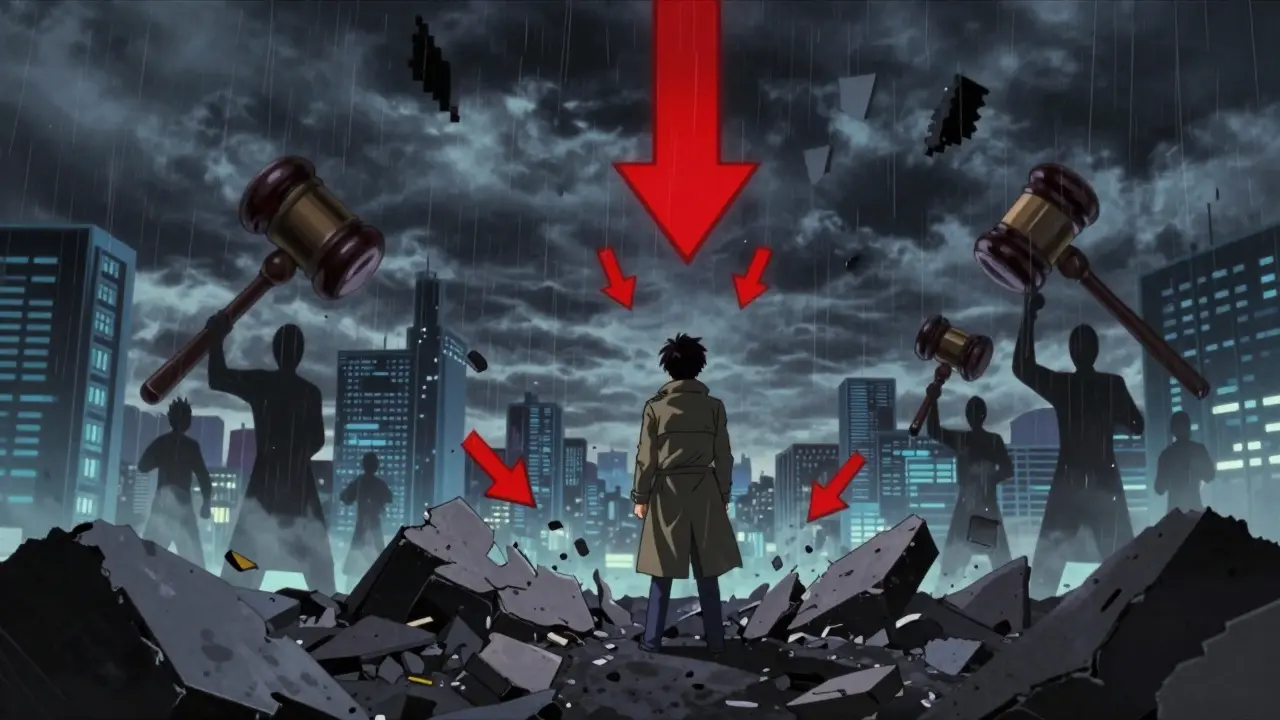
Technical Barriers: Gas Fees and User Experience
Technology itself played a role in the downturn. Most NFTs were minted on the Ethereum blockchain. During periods of high activity, transaction fees-known as gas fees-skyrocketed. At times, it cost more to list an NFT for sale than the NFT was worth. This created a barrier to entry for smaller creators and buyers.
Additionally, the user experience remained clunky. Managing wallets, securing private keys, and navigating decentralized exchanges required technical knowledge that the average consumer lacked. As the novelty wore off, casual users abandoned platforms that felt too complex or risky. Environmental concerns also grew louder. The energy consumption of proof-of-work blockchains faced criticism, particularly among younger demographics who had initially driven adoption. These friction points limited the market's ability to expand beyond crypto-native enthusiasts.
Regulatory Uncertainty and Institutional Pullback
As the market matured, governments began paying attention. Regulatory bodies worldwide examined whether certain NFTs constituted securities. The lack of clear legal frameworks created uncertainty. Institutional investors, who prioritize compliance, became cautious. Without definitive guidelines, many funds reduced their exposure to NFTs to avoid potential penalties or reputational damage.
This pullback removed a layer of stability from the market. Retail investors, seeing institutions step back, interpreted it as a signal that the trend was ending. Tax implications also added complexity. Tracking profits and losses across multiple transactions became burdensome for individual holders. The combination of regulatory fear and tax headaches further discouraged participation, deepening the market contraction.
| Metric | Peak (Late 2021) | Trough (Mid-2022) | Change |
|---|---|---|---|
| Monthly Trading Volume | $2.8 Billion | $1.0 Billion | -64% |
| Daily Sales Decline | Baseline | -92% | Severe Drop |
| Total Profit at Resale | $3.5 Billion | $1.9 Billion | -46% |
| Number of Sellers | High Activity | -35.88% | Significant Decrease |

Who Got Hurt the Most?
The impact of the crash varied wildly depending on when someone entered the market. Early adopters who bought in 2020 or early 2021 often still held profitable positions. They viewed the dip as a temporary correction. However, those who jumped in during the late 2021 peak faced devastating losses. Reddit forums documented stories of investors losing 80-95% of their portfolio values.
Artists suffered too. Many creators had shifted their entire careers to NFT sales, earning thousands per piece during the boom. When demand vanished, months passed without a single sale. Collectors experienced widespread buyer’s remorse, holding expensive digital files that no longer commanded premium prices. Investment funds allocated capital to NFTs saw massive write-downs, with some reporting total losses. The emotional toll was significant, shaking confidence in the entire digital asset space.
Lessons Learned and Future Outlook
By 2026, the dust has settled. The NFT market isn’t dead, but it has changed. The speculative fever of 2021 is gone, replaced by a focus on utility. Projects now emphasize real-world value propositions, such as gaming assets, digital identity verification, and authenticated ownership records. While volumes remain a fraction of the peak, the foundation is stronger.
This crash serves as a critical case study in market dynamics. It highlights the dangers of speculation without substance, the importance of regulatory clarity, and the need for sustainable technological infrastructure. For new participants, the lesson is clear: look beyond the hype. Evaluate the utility, understand the risks, and remember that in volatile markets, patience is often the most valuable asset.
Did the NFT market crash affect Bitcoin?
Yes, the NFT crash coincided with a broader crypto winter. Bitcoin and other cryptocurrencies also saw significant price declines due to similar macroeconomic pressures, including rising interest rates and inflation. However, Bitcoin maintained its position as a store of value, while NFTs, being more speculative, experienced sharper percentage drops.
What caused the NFT market to peak in 2021?
The peak was driven by a combination of factors: mainstream media coverage, celebrity endorsements, high-profile auctions like Beeple's $69 million sale, and easy access to capital due to low interest rates. This created a feedback loop of FOMO, where investors bought in fear of missing out, driving prices higher regardless of intrinsic value.
Is wash trading illegal in the NFT space?
Wash trading is generally considered market manipulation and is illegal in regulated financial markets. In the NFT space, enforcement has been challenging due to the pseudonymous nature of blockchain transactions. However, regulators are increasingly scrutinizing these practices, and platforms are implementing stricter measures to detect and prevent them.
How do gas fees impact NFT trading?
Gas fees are transaction costs paid to network validators on blockchains like Ethereum. High gas fees can make small trades unprofitable, as the cost exceeds the asset's value. This discourages frequent trading and limits accessibility for smaller creators and buyers, contributing to market stagnation during periods of high congestion.
Can the NFT market recover to its 2021 levels?
It is unlikely that the market will return to the exact speculative peaks of 2021 in the same manner. The current focus is on utility-driven applications rather than pure speculation. While growth is expected, it will likely be more gradual and sustainable, grounded in real-world use cases like gaming, identity, and digital ownership.





Comments
debra hoskins
May 3, 2026 AT 12:44Another day, another bubble bursting. Honestly, I'm just waiting for the next shiny object to distract everyone from their financial incompetence.
April D Thompson
May 4, 2026 AT 21:16Oh my goodness, can we talk about how wild this whole era was? It feels like we all collectively hallucinated value into JPEGs and then woke up when the music stopped. I remember feeling such intense pressure to buy in because everyone said it was the future of art, but looking back, it was just pure, unadulterated greed masked as innovation. The way luxury brands jumped on the bandwagon so quickly really showed me that they care more about trends than actual craftsmanship or cultural significance. It’s fascinating to see how quickly the narrative shifted from 'digital revolution' to 'scam alert.' I think there is a lot we can learn from this about human psychology and our desperate need to belong to exclusive groups, even if those groups are built on sand. We have to be better listeners to our own instincts next time, you know?
Ralph Espinosa
May 5, 2026 AT 15:50The economic factors mentioned here are absolutely critical!;; You cannot separate crypto assets from traditional macroeconomic indicators!;; When interest rates rise, liquidity dries up, and speculative assets suffer the most!;; This is basic finance 101!;;
Lex Harley
May 7, 2026 AT 05:45hey guys i was reading this and it reminds me of the dot com bubble but with more monkeys lol. the gas fees were insane right? like paying $50 to mint something worth $20? that makes no sense at all. also the wash trading part is super sketchy. how do you even prove someone is buying their own stuff if its anonymous? blockchain is supposed to be transparent but its actually pretty opaque when you dig deeper. i feel like the tech stack was never ready for mass adoption anyway. wallets are still too hard to use for normal people. maybe we need better UX before trying again.
Tony Phan
May 9, 2026 AT 05:11I lost money too. Why do you guys act like it's funny? I spent weeks staring at charts hoping for a rebound. My portfolio went down 90%. It hurts. I trusted the influencers who said it would go to the moon. Now they are silent. I hate them. I want my money back. This industry is broken. Fix it.
Kara Spadone
May 9, 2026 AT 14:32Seriously though, who did this to? :/ The sheer arrogance of thinking a picture of a monkey has intrinsic value is mind-boggling. It wasn't an investment; it was a participation trophy for people who wanted to feel superior without doing any real work. The crash was inevitable because the foundation was rotten. People need to stop pretending they understood what was happening. They didn't. They just followed the herd. :(
Jehan ZA
May 10, 2026 AT 11:26It is interesting to observe the parallels between historical market bubbles and this recent phenomenon. The psychological drivers remain consistent across different asset classes. Perhaps we should focus on understanding these behavioral patterns rather than blaming the technology itself. There is much to be learned from this period of correction.
Chloe Fletcher
May 11, 2026 AT 03:21Hey everyone! 👋 I think it's important to remember that mistakes are part of learning! 💖 Even though the market crashed, many creators are still finding ways to use blockchain for good things like charity auctions and digital identity! 🌟 Let's support the community that is building sustainable projects! 🚀 Don't give up on innovation! ✨
Mitali Rajvanshi
May 12, 2026 AT 05:39I agree with the points about utility. It seems like the hype cycle has passed and now we are left with the builders. That is a good thing. I hope we see more practical applications in gaming and supply chain tracking. The speculation was fun but not productive.
Bevon Findley
May 14, 2026 AT 02:40The plebeians always lose. :) The smart money knew when to exit. If you bought at the peak, you deserved to lose. It is a lesson in humility for the masses. Enjoy the crash.
Alex Mazonowicz
May 15, 2026 AT 07:56Wow!;; This is a great analysis!;; I think we will see a recovery soon!;; Just wait!;; The tech is improving!;; Gas fees are lower now!;; Ethereum is better!;; Stay positive!;;
Veronica Bago
May 16, 2026 AT 15:51I just find it all so exhausting. First it was crypto, then NFTs, now AI tokens. Can we just enjoy life without trying to monetize every pixel?
Arti Jain
May 18, 2026 AT 03:26Western greed caused this. Our culture in India values tangible assets. Digital hoarding is a waste of resources. Stop exporting your financial chaos to the rest of the world. We are better off ignoring this nonsense.
Harvey Alford
May 18, 2026 AT 09:01You sound bitter. Did you lose everything? Tell me more about your pain. I want to hear every detail of your failure.
Tony Phan
May 20, 2026 AT 03:27Shut up. I don't want to talk about it. You are annoying.
VIVEK SINGH
May 21, 2026 AT 03:53The irony is thick here. You mock the speculators but engage in the same emotional volatility. Philosophy suggests detachment, yet you cling to narratives. Perhaps the real crash is in your ego. Sarcastic much? Or is that just your default setting?
Lloyd I
May 21, 2026 AT 16:59Let's keep the conversation constructive! We can all learn from this experience. Community support is key during tough times. Let's help each other understand the lessons instead of attacking each other. Together we can build a better future for digital assets!
Robert Smith
May 22, 2026 AT 14:41Just watching the show. 🍿📉🎢
Felix Eduardo Velasquez
May 22, 2026 AT 20:20The technical barriers mentioned are often overlooked. The user experience on Ethereum mainnet was indeed prohibitive. However, layer 2 solutions have made significant strides since then. It is important to distinguish between the protocol limitations and the application layer failures. Many projects failed due to poor tokenomics, not just high gas fees. Understanding this distinction is crucial for future development.