DeSpace Protocol (DES) Space Drop: Airdrop Guide, Eligibility & Safety Check
Have you seen the buzz around the DeSpace Protocol and its "Space Drop"? In the world of cryptocurrency, the word "airdrop" triggers a mix of excitement and caution. Everyone wants free tokens, but not every opportunity is legitimate or profitable. If you are looking for specific dates, claim links, or guaranteed amounts for the DES Space Drop, you need to slow down first. The landscape of decentralized finance (DeFi) moves fast, and misinformation spreads even faster.
This article cuts through the noise. We will look at what DeSpace Protocol actually is, how their ecosystem works, and most importantly, how to verify if an airdrop is real before you risk your wallet security. Whether you are a seasoned DeFi farmer or a newcomer, understanding the mechanics behind these campaigns is crucial for protecting your assets.
What Is DeSpace Protocol?
To understand the potential value of the DES token, which is the native utility and governance token of the DeSpace Protocol ecosystem, you first need to understand the platform itself. DeSpace Protocol positions itself as a next-generation aggregator in the blockchain space. It doesn't just do one thing; it tries to combine several complex financial tools into a single interface.
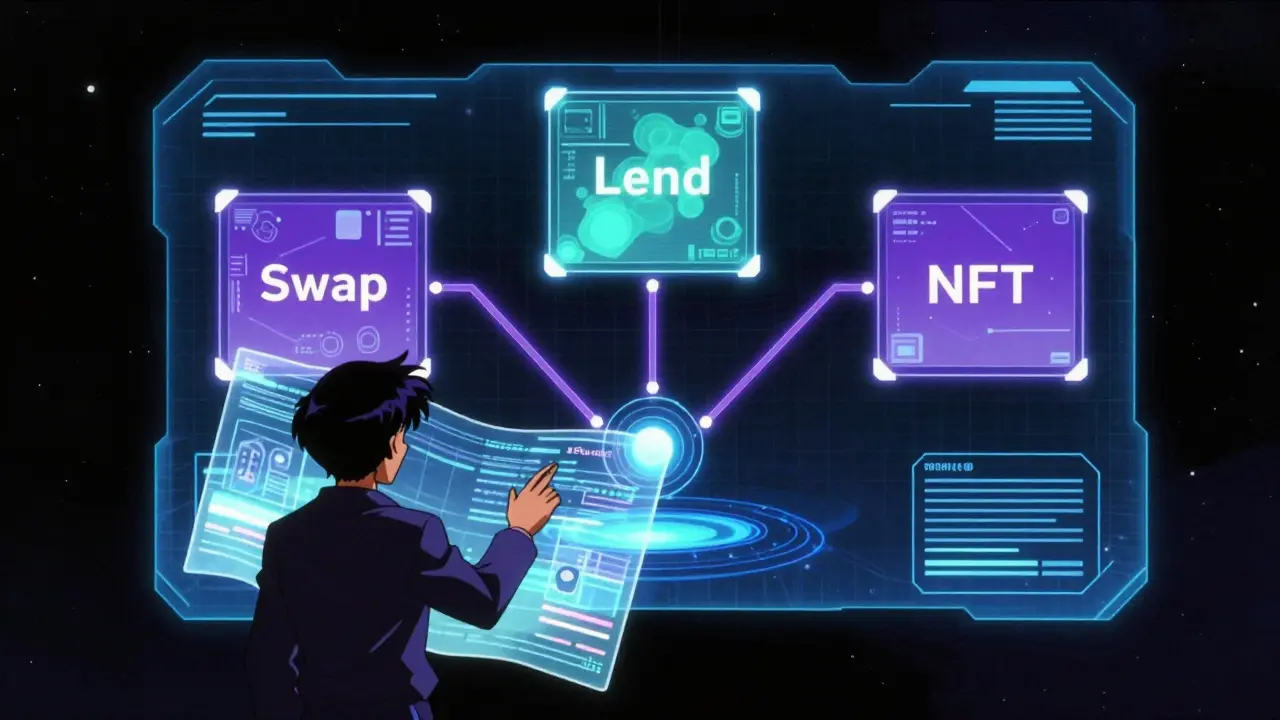
The protocol operates on a multifunctional model that bridges two major sectors of crypto: Decentralized Finance (DeFi) and Non-Fungible Tokens (NFTs). Instead of jumping between five different websites to swap tokens, lend money, and trade art, DeSpace aims to unify these actions. This aggregation model is designed to solve liquidity fragmentation, a common problem where funds are spread too thin across various platforms, reducing efficiency for users.
The ecosystem is built on three main pillars:
- DSpace Aggregator: This is the core hub. It connects various DeFi protocols and NFT marketplaces, allowing users to access multiple services from one dashboard. Users can potentially mine DES tokens by interacting with this aggregator.
- DeSwap: A decentralized exchange (DEX) that supports cross-chain transactions. Unlike basic swaps, DeSwap includes advanced features like limit orders and staking margins, appealing to more active traders who want control over entry and exit points.
- DeLending: An interest-generating loan platform. It functions similarly to established models like MakerDAO, allowing users to borrow stablecoins against frozen crypto assets. This provides liquidity without forcing users to sell their holdings during market dips.
There is also DeChain, which allows interaction with different blockchains on a single platform, and a dedicated NFT marketplace where holders can buy, sell, stake, and swap digital collectibles. Understanding these components helps you see why a project might offer an airdrop: they need users to test and utilize these specific tools.
Decoding the "Space Drop" Concept
The term "Space Drop" suggests a marketing campaign tied to the DeSpace brand. In crypto, airdrops are typically used for two reasons: community building and decentralization. By distributing tokens for free, projects encourage users to join their Discord, follow their social media, and interact with their smart contracts.
However, specific details about the "Space Drop"-such as exact snapshot dates, eligibility criteria, and distribution amounts-are often scattered across unofficial channels. This lack of centralized, verified information is a red flag you must watch out for. Legitimate projects usually publish clear documentation on their official website or medium blog.
If you are seeing claims about massive payouts or "guaranteed" returns for the Space Drop, be skeptical. Real airdrops require work. They often involve tasks like:
- Bridging assets to a specific network.
- Swapping tokens on their DEX (DeSwap).
- Minting or trading NFTs on their marketplace.
- Providing liquidity to pools.
The goal is to measure user engagement. If a source tells you that you can get DES tokens just by clicking a link without any prior interaction with the protocol, it is likely a phishing attempt.

How to Verify Airdrop Legitimacy
Security is your top priority. Scammers love to clone popular airdrop announcements. Before you connect your wallet to any site claiming to distribute the DES Space Drop, run through this checklist.
- Check Official Channels: Go directly to the DeSpace Protocol website. Do not click links from Twitter DMs, Telegram groups, or Reddit comments unless you have verified the domain yourself. Look for an "Airdrop" or "Rewards" section in the main navigation menu.
- Verify the Contract Address: Every token has a unique contract address on the blockchain. You can find the official DES token address on reputable tracking sites like CoinMarketCap or CoinGecko. Compare this address with the one provided in the airdrop instructions. If they don't match, disconnect immediately.
- Use a Burner Wallet: Never connect your primary wallet holding significant funds to new or unverified dApps. Use a secondary wallet with only the small amount of gas needed for transactions. If the site asks for an unlimited approval allowance, revoke it instantly using tools like Revoke.cash.
- Look for Community Consensus: Search for discussions on trusted forums. Are other experienced users talking about the same requirements? If the only sources are paid influencers or anonymous accounts, proceed with extreme caution.
Remember, no legitimate project will ever ask for your private key or seed phrase. If a form asks for this data, it is a scam.
Comparison: DeSpace vs. Other DeFi Aggregators
To gauge the potential long-term value of the DES token, it helps to compare DeSpace with established players in the aggregation space. While DeSpace focuses on combining DeFi and NFTs, other protocols specialize in different areas.
| Feature | DeSpace Protocol | 1inch Network | Uniswap |
|---|---|---|---|
| Primary Focus | DeFi + NFT Aggregation | DEX Aggregation (Swaps) | AMM Liquidity Pool |
| Token Utility | Governance, Mining, Staking | Governance, Fee Discounts | Governance, Liquidity Mining |
| Cross-Chain Support | Yes (via DeChain) | Yes (Extensive) | Limited (Layer 2 focus) |
| NFT Integration | Native Marketplace | No | No |
| Airdrop History | Emerging (Space Drop) | Yes (1INCH Token) | Yes (UNI Token) |
As shown in the table, DeSpace distinguishes itself by integrating NFTs directly into its financial infrastructure. This hybrid approach could attract a different user base compared to pure trading aggregators like 1inch. However, being newer means it carries higher risk regarding token stability and platform maturity.
Potential Risks and Pitfalls
Participating in early-stage DeFi projects like DeSpace comes with inherent risks. Beyond the obvious threat of scams, there are technical and economic factors to consider.
Smart Contract Risk: Even if the team is legitimate, bugs in the code can lead to losses. Has DeSpace undergone audits by reputable firms like CertiK or OpenZeppelin? If not, any funds you deposit for farming or lending are at risk. Always check the "Audits" section on their website.
Token Volatility: Airdropped tokens often dump in price shortly after becoming tradable. Early participants may see the value of their rewards drop significantly within hours of listing. Have a plan for when to hold, sell, or stake your DES tokens before you even receive them.
Gas Fees: Interacting with Ethereum-based or high-demand networks can be expensive. If the cost of gas fees exceeds the value of the airdrop, it is not worth participating. Calculate the net profit carefully.
Next Steps for Participants
If you decide to pursue the DES Space Drop, take these actionable steps:
- Monitor Official Announcements: Bookmark the DeSpace Protocol website and subscribe to their verified newsletter. Enable notifications on their official Discord server.
- Prepare Your Wallet: Set up a MetaMask or similar wallet. Fund it with a small amount of ETH or the relevant chain's native token for gas fees. Keep this separate from your main savings.
- Interact Safely: If the airdrop requires usage, perform small test transactions first. Swap a tiny amount on DeSwap or mint a low-cost NFT to ensure the process works without draining your wallet.
- Track the Snapshot: Note the date and time of the snapshot. Your eligibility is determined by your activity before this moment. Any actions taken after the snapshot count will not qualify you.
Stay patient and stay safe. The crypto market rewards those who do their homework and punishes those who rush in blindly.
Is the DeSpace Protocol Space Drop legit?
Legitimacy depends on verifying the source. DeSpace Protocol is a real project with a functional ecosystem including DeSwap and DeLending. However, specific "Space Drop" details must be confirmed via their official website or verified social channels. Be wary of third-party sites claiming to distribute the airdrop, as these are often phishing scams.
How do I claim my DES tokens?
Claim procedures vary by campaign. Typically, you connect your eligible wallet to the official DeSpace airdrop page and click "Claim." Never enter your seed phrase. Ensure you have enough gas tokens in your wallet to cover the transaction fee. If the official claim page is not live, wait for an announcement rather than clicking suspicious links.
What is the value of the DES token?
The value of the DES token fluctuates based on market demand and liquidity. As a newer asset, it may not be listed on all major exchanges yet. Check CoinMarketCap or CoinGecko for the current price and trading pairs. Remember that airdropped tokens can be highly volatile upon initial release.
Do I need to pay to participate in the airdrop?
You should never have to send money to receive an airdrop. However, you may need to pay gas fees to interact with the protocol (e.g., swapping tokens) to qualify. Some scams ask for an upfront payment to "unlock" rewards; this is always a fraud. Legitimate airdrops reward past activity, not future payments.
When is the snapshot date for the Space Drop?
Specific snapshot dates are announced officially by the DeSpace team. Without an official announcement, any date found on forums is speculative. Monitor the project's official Discord and Twitter for precise timing. Acting before the confirmed snapshot window may result in missed eligibility.