How Algerians Access Cryptocurrency Exchanges in 2026: Risks and Workarounds

Imagine checking your phone for a quick trade, only to realize that doing so could land you in prison. For Algerians interested in digital assets, this is the stark reality of 2026. Just over a year ago, the landscape was shifting toward cautious growth, but Law No. 25-10 changed everything overnight. Passed in July 2025, this legislation didn't just add red tape; it slammed the door shut on cryptocurrency entirely. Today, Algeria stands as one of only nine countries globally with a total prohibition on crypto activities. If you are an Algerian looking to access Bitcoin, Ethereum, or stablecoins like Tether, you aren't just navigating a difficult market-you are operating in a legal gray zone that has turned black. So, how do people actually get their hands on these assets? The short answer is: illegally, cautiously, and at significant personal risk. This guide breaks down the current mechanisms Algerians use to bypass restrictions, the severe penalties involved, and why the government has chosen such a hardline stance.
The Legal Wall: Understanding Law No. 25-10
To understand how people access crypto, you first need to understand what they are breaking. Before mid-2025, Algeria had restrictions dating back to 2018, but those were vague currency regulations without specific criminal penalties. That ambiguity allowed a shadow market to thrive. In fact, reports from Chainalysis just months before the ban showed Algeria as one of the fastest-growing crypto markets in the Middle East and North Africa (MENA) region. Then came Law No. 25-10, a comprehensive statute that defines cryptocurrencies as 'virtual instruments used as means of exchange via a computer system, without support from a central bank.' The law is explicit: purchase, sale, use, holding, mining, and even promoting digital currencies are strictly prohibited. The definition is broad enough to catch almost any interaction. It’s not just about buying Bitcoin on an exchange. Creating a platform to store assets, advertising a crypto service, or even hosting an educational webinar about blockchain technology can trigger criminal liability. The government’s goal is clear: total control over the national financial system and the elimination of perceived risks related to money laundering and terrorism financing, aligning with guidance from the Financial Action Task Force (FATF).
The Cost of Breaking the Rules
If you decide to ignore the ban, you need to know the price tag. The penalties under Law No. 25-10 are designed to be deterrents, not mere warnings. Individuals caught violating the law face imprisonment ranging from two months to one year. Alongside jail time, fines range from 200,000 to 1,000,000 Algerian dinars (approximately $1,540 to $7,700). For more serious offenses, such as large-scale operations or organized crime links, fines can jump to 2 million dinars ($14,700). Here is the kicker: repeat offenders face doubled penalties. Both imprisonment and fines can be applied simultaneously. This means a second mistake doesn't just mean paying more; it means spending significantly more time behind bars. With enhanced digital monitoring capabilities now deployed by Algerian law enforcement, the window for anonymous operation is closing fast.
Method 1: Peer-to-Peer (P2P) Trading
Despite the ban, demand persists. The most common way Algerians access cryptocurrency today is through informal Peer-to-Peer (P2P) networks. Since centralized exchanges like Binance or Coinbase block users from Algerian IP addresses and reject local bank transfers, traders turn to direct person-to-person deals. This usually happens through encrypted messaging apps like Telegram or WhatsApp. Traders find each other via online forums or social media groups dedicated to crypto in North Africa. The process typically looks like this:
- Finding a Counterparty: A buyer posts a request for USDT (Tether) or BTC, specifying the amount and preferred payment method (often cash or mobile money via local services like CIB or Nedim).
- Negotiation: Prices are negotiated privately. Because of the risk premium, crypto prices in Algeria often trade at a slight discount compared to global rates.
- Escrow or Trust: Without a formal escrow service, trust is the biggest hurdle. Many deals rely on reputation within small, closed communities. Some use third-party mediators who take a commission to hold funds until both sides confirm receipt.
- Transfer: Once agreed, the seller sends the crypto to the buyer's wallet address, and the buyer transfers fiat currency via mobile banking or meets in person for cash.

Method 2: Decentralized Exchanges (DEXs)
For tech-savvy users, Decentralized Exchanges offer a slightly more technical route. Unlike centralized platforms that require Know Your Customer (KYC) verification-where you’d upload an ID and immediately reveal your nationality-DEXs operate on public blockchains. Platforms like Uniswap or PancakeSwap allow users to swap tokens directly from their non-custodial wallets (like MetaMask or Trust Wallet). Since you connect via a wallet address rather than an email or passport, there is no central authority to ban you based on location. However, accessing these sites isn't foolproof. The Algerian telecommunications regulator can and does block URLs associated with known DEX interfaces. To get around this, users must employ Virtual Private Networks (VPNs) to mask their location and bypass internet censorship. Even then, the transaction itself is recorded on the blockchain. While the blockchain doesn't know you're Algerian, if you ever try to cash out into the traditional banking system-or if authorities link your IP address to your wallet during a raid-the anonymity vanishes.
Method 3: Using Foreign Accounts and Proxies
A less common but highly risky method involves using accounts registered in friendly jurisdictions. Some Algerians with family or friends abroad ask them to open accounts on regulated exchanges in Europe or Asia. The foreign contact buys the crypto and holds it, or transfers it to the Algerian's private wallet. This method relies heavily on interpersonal trust. If the relationship sours, the Algerian user has no legal way to reclaim their assets. Furthermore, if the foreign exchange detects unusual activity linked to an Algerian IP address despite the account being registered elsewhere, they may freeze the funds and report suspicious activity to international bodies, potentially triggering cross-border inquiries.
| Method | Anonymity Level | Technical Skill Required | Primary Risk |
|---|---|---|---|
| P2P Trading (Telegram/WhatsApp) | Low to Medium | Low | Scams, Police Monitoring of Chats |
| Decentralized Exchanges (DEXs) | High (On-chain) | High | IP Tracking, URL Blocking, Smart Contract Bugs |
| Foreign Proxy Accounts | Medium | Low | Counterparty Fraud, Account Freezes |
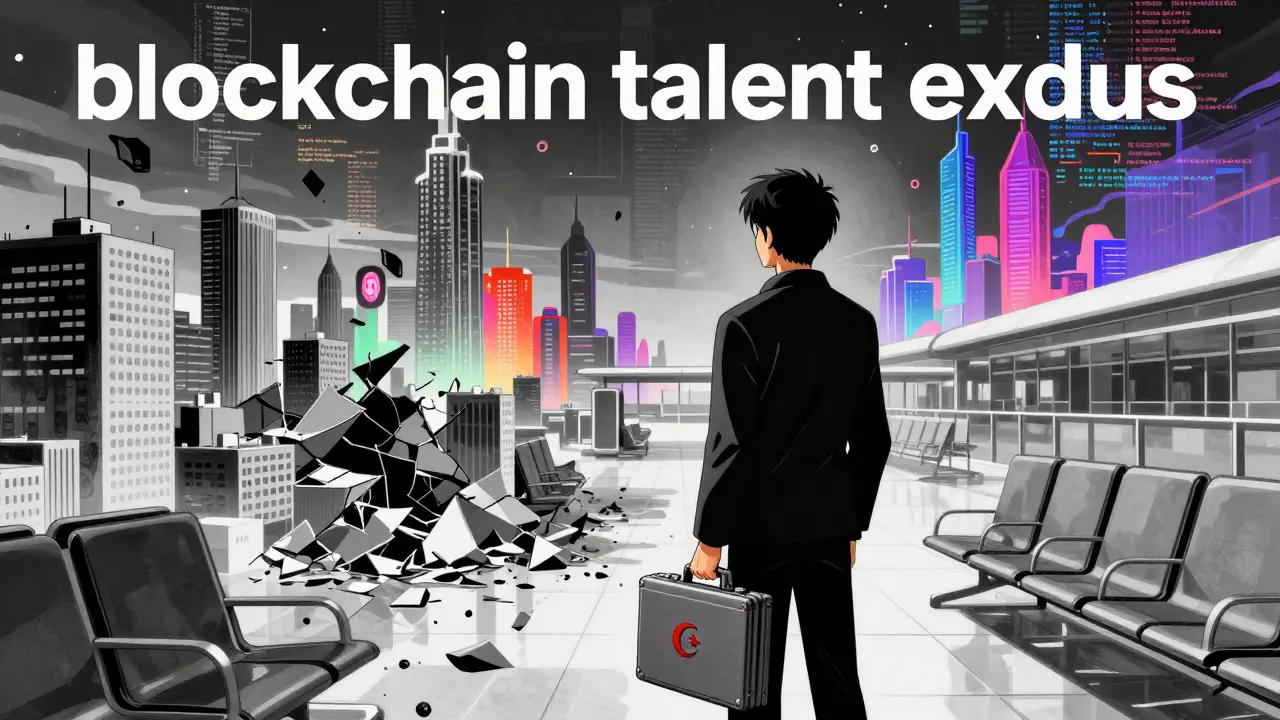
The Talent Exodus and Economic Impact
The impact of Law No. 25-10 extends beyond individual traders. Prior to the ban, Algeria was developing a niche community of blockchain developers and DeFi specialists. There was genuine demand for these skills, with local startups exploring tokenized services. Now, we are witnessing a "blockchain talent exodus." Developers and analysts are leaving the country for jurisdictions with clearer regulatory frameworks, such as those in the European Union or parts of Asia. By criminalizing even educational discussions about blockchain, the government has effectively killed the domestic innovation sector. Critics argue that this aggressive approach isolates Algeria from global fintech trends, causing the country to miss out on economic opportunities in a rapidly evolving digital finance landscape. While the government cites national security and financial stability, the result is a brain drain that weakens the long-term competitiveness of the Algerian tech ecosystem.
What Should You Do?
If you are an Algerian citizen considering entering the crypto space, proceed with extreme caution. Here is a practical checklist for risk mitigation:
- Use Cold Storage: Never keep significant amounts of crypto on an exchange or a hot wallet connected to the internet. Use hardware wallets to minimize exposure if your device is seized.
- Operational Security (OpSec): Assume all digital communications are monitored. Use end-to-end encrypted apps, delete message histories, and avoid discussing crypto in public forums or unsecured Wi-Fi networks.
- Small Transactions: Keep trade volumes low. Large transactions attract attention from both scammers and authorities.
- Verify Counterparties: In P2P trades, check reputations meticulously. Meet in safe, public places if exchanging cash, and bring a friend.
- Stay Updated: Regulations can shift. Keep an eye on official gazettes and reputable news outlets for any changes to Law No. 25-10.
Is Bitcoin legal in Algeria in 2026?
No. Under Law No. 25-10, which took effect in July 2025, all cryptocurrency activities including holding, buying, selling, and mining Bitcoin are strictly prohibited and criminalized.
What is the penalty for owning crypto in Algeria?
Violators face imprisonment from two months to one year and fines ranging from 200,000 to 1,000,000 Algerian dinars. Repeat offenses can double these penalties.
Can I use Binance in Algeria?
Officially, no. Binance blocks Algerian users due to KYC requirements and local laws. While some users try to bypass this with VPNs, it remains illegal and risky due to potential account freezes and legal prosecution.
Why did Algeria ban cryptocurrency?
The government cites concerns over money laundering, terrorism financing, and the need to maintain control over the national financial system and currency stability, aligning with FATF guidelines.
Are there any legal ways to invest in blockchain in Algeria?
Currently, there are no legal pathways for individual investment in cryptocurrencies. However, some institutional interest in blockchain technology for supply chain or administrative efficiency may exist outside of financial speculation, though even this area is tightly restricted.
Does the ban affect blockchain developers?
Yes. The ban covers the creation and operation of platforms for digital assets. Promoting or educating about crypto is also criminalized, leading to a significant exodus of blockchain talent from the country.