Anyswap Crypto Exchange Review: What Happened to the Protocol Now Known as Multichain?
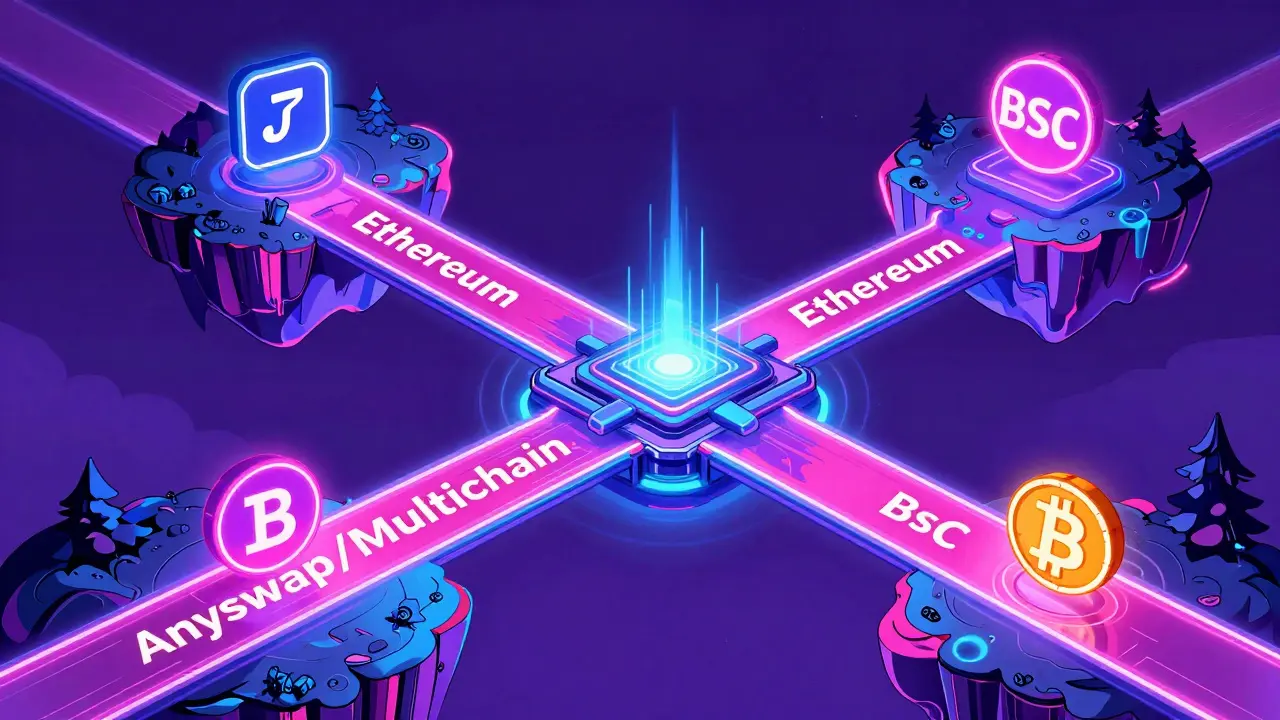
You might be searching for an Anyswap crypto exchange review because you heard about its innovative cross-chain technology or perhaps because you still hold some legacy tokens. Here is the hard truth right out of the gate: Anyswap no longer exists under that name. It officially rebranded to Multichain in December 2021. More importantly, using this platform today carries significant risks due to major security breaches and operational shifts that occurred after the rebranding.
If you are looking to move assets between blockchains like Ethereum, Binance Smart Chain, or Avalanche, understanding the history of Anyswap is crucial. This protocol was once a pioneer in decentralized finance (DeFi), but its journey from a promising startup to a controversial entity offers vital lessons for any crypto user. Let’s break down what Anyswap was, why it changed, and whether you should trust its successor, Multichain, with your funds.
What Was Anyswap? The Core Concept
Anyswap was a non-custodial cross-chain swap protocol launched in July 2020. Unlike traditional exchanges where you send money to a company that holds it for you, Anyswap allowed you to keep control of your private keys. It used a technology called DCRM (Distributed Control Rights Management) developed by Fusion. Think of it as a secure tunnel that connects different blockchain islands-like Ethereum, Bitcoin, and Fantom-allowing assets to travel between them without needing a middleman to lock up your coins.
The main selling point was simplicity and speed. You could swap Bitcoin for Ethereum directly without converting to an intermediary currency first. When it launched during the "DeFi Summer" of 2020, it attracted attention because it solved a real problem: blockchain fragmentation. Before tools like Anyswap, moving assets across chains was slow, expensive, and required trusting centralized bridges.
- Launch Date: July 20, 2020
- Key Technology: Fusion’s DCRM (private key sharding)
- Supported Chains: Ethereum, BSC, Fantom, Avalanche, Bitcoin
- Custody Type: Non-custodial (you held the keys)
The Rebranding to Multichain: Why Did It Change?
In December 2021, the team behind Anyswap announced a strategic pivot. They rebranded the entire ecosystem to Multichain, which focused exclusively on cross-chain messaging and bridging infrastructure. This wasn't just a cosmetic change; it signaled a shift away from direct token swapping toward becoming the underlying plumbing for other DeFi apps.
Why did they do this? The competitive landscape for decentralized exchanges (DEXs) had become brutal. Giants like Uniswap and PancakeSwap dominated single-chain liquidity, while specialized bridges emerged. By becoming Multichain, the project aimed to serve developers building cross-chain applications rather than retail traders looking for quick swaps. However, this transition confused many users and raised questions about the future utility of the native ANY token.
The timing was also critical. In late 2021, regulatory scrutiny on cross-chain protocols increased globally. The rebrand may have been an attempt to distance the project from earlier controversies associated with its leadership, including ties to Justin Sun, CEO of TRON. Regardless of the reason, the name "Anyswap" disappeared from active development, and all resources moved to the Multichain brand.

Security Concerns and Major Exploits
This is the most important section for your wallet's safety. While Anyswap/Multichain offered convenient functionality, it suffered from severe security vulnerabilities. Cross-chain bridges are prime targets for hackers because they often hold large amounts of locked value.
In July 2022, shortly after the Multichain rebrand, a massive exploit hit the platform. Hackers drained approximately $120 million from the Multichain Router v3 liquidity pool. This attack exploited a vulnerability in the smart contract logic, allowing unauthorized withdrawals. For context, this was one of the largest DeFi hacks in history at the time. It demonstrated that despite the "non-custodial" marketing, the underlying bridge contracts held immense risk.
| Feature | Anyswap / Multichain | Centralized Exchanges (e.g., Binance) | Other DEX Bridges (e.g., Thorchain) |
|---|---|---|---|
| Custody | Non-custodial (smart contract held) | Custodial (exchange holds funds) | Non-custodial (decentralized nodes) |
| Security Track Record | Poor ($120M hack in 2022) | Mixed (depends on exchange insurance) | Better (audited, decentralized) |
| Speed | Fast (minutes) | Instant | Variable (10-60 mins) |
| Fees | Low (0.3% - 0.4%) | Variable (often higher for crypto) | Market-driven (slippage based) |
After the hack, the team paused operations to investigate and patch the code. Trust in the platform plummeted. Many users lost access to their funds temporarily, and some never recovered them fully. If you are considering using Multichain today, you must understand that this history of failure is part of its DNA. Security audits are essential, but past exploits indicate deep structural challenges in managing cross-chain state.
User Experience: Fees, Speed, and Complexity
Before the security issues overshadowed everything, what was the actual experience like? Users reported mixed results. On one hand, the interface was clean and intuitive compared to coding-heavy DeFi tools. You connected your MetaMask or Trust Wallet, selected the source chain, picked the destination chain, and swapped.
However, there were hidden costs and complexities:
- Gas Fees: Even though the swap fee was low (around 0.3% for makers), you still had to pay gas fees on both the sending and receiving chains. During Ethereum network congestion, these gas fees could exceed the value of small transactions.
- Slippage: Because liquidity pools were smaller than centralized exchanges, large trades suffered from high slippage. If you tried to swap $10,000 worth of ETH, you might receive significantly less BTC than expected.
- Transaction Failures: Users frequently reported stuck transactions. If the bridge failed halfway through, recovering funds required manual intervention and additional fees. Reddit threads from 2021 show dozens of users complaining about losing tens of dollars in gas fees on failed attempts.
Customer support was another weak point. As a decentralized protocol, there was no call center. Help came primarily through Discord and Telegram channels, where response times averaged 8-12 hours. For urgent issues like stuck funds, this delay was frustrating and sometimes costly.

The ANY Token: Value and Utility
The native token of the ecosystem is ANY. Initially, ANY served two purposes: governance voting rights and staking rewards for liquidity providers. When Anyswap launched, early adopters earned huge APYs (Annual Percentage Yields) by providing liquidity, sometimes exceeding 300%. This incentivized users to lock up their tokens, reducing circulating supply and driving up price.
However, the token's value has been volatile. It reached an all-time high of $7.15 in January 2022, fueled by hype around the Multichain rebrand. But following the 2022 hack and broader market downturns, the price crashed. By late 2022, it traded below $1. Today, predictions vary wildly, with some analysts suggesting modest recovery and others warning of further decline.
If you hold ANY tokens, remember that their utility is now tied to Multichain's success. Since Multichain focuses on infrastructure rather than consumer swaps, the demand drivers for ANY have changed. Staking rewards are lower, and governance participation requires deeper technical knowledge.
Alternatives to Anyswap/Multichain in 2026
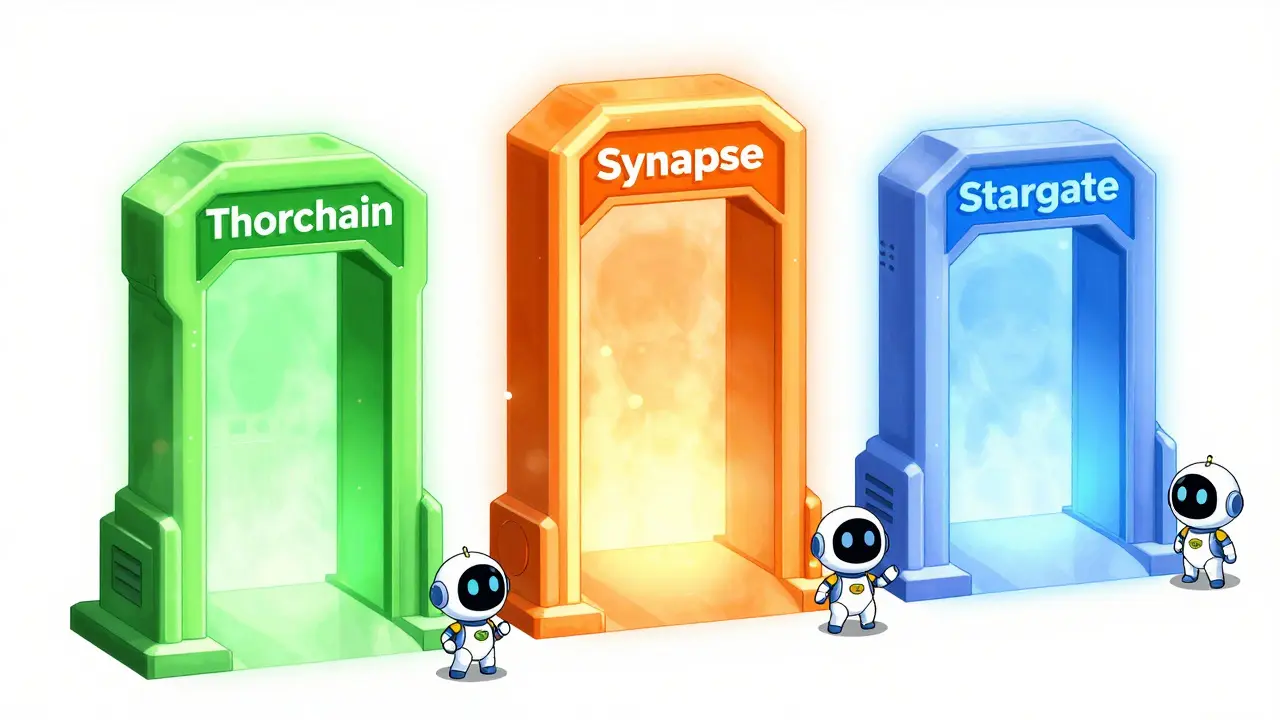
Given the security concerns surrounding Multichain, many users have migrated to more robust alternatives. Here are three safer options for cross-chain swaps:
- Thorchain: A decentralized liquidity protocol that allows native asset swaps without wrapped tokens. It uses a network of node operators to ensure security, making it more resilient to single-point failures.
- Synapse Protocol: Focuses on efficient cross-chain liquidity aggregation. It connects multiple DEXs to find the best rates, offering better pricing than standalone bridges.
- Stargate Finance: Built on LayerZero, Stargate offers native asset transfers across chains with unified liquidity. It is widely regarded as one of the most secure and liquid cross-chain solutions available today.
When choosing an alternative, always check recent audit reports and community sentiment. Avoid platforms that promise unusually high yields, as these often signal unsustainable models or hidden risks.
Should You Use Multichain Today?
My advice is cautious avoidance. While Multichain continues to operate, its reputation remains damaged by the 2022 exploit. For casual users moving small amounts, the convenience might outweigh the risk if you verify every transaction carefully. However, for larger holdings, the potential loss from a smart contract bug or bridge failure is not worth saving a fraction of a percent in fees.
If you must use it, follow these steps:
- Start Small: Test with a minimal amount to ensure the transaction completes successfully.
- Check Gas Prices: Wait for low-traffic periods on Ethereum and other EVM chains to minimize costs.
- Verify Contracts: Ensure you are interacting with the official Multichain router addresses listed on trusted aggregators like DefiLlama.
- Monitor Status: Keep an eye on their official Twitter and Discord for any announcements regarding maintenance or incidents.
Remember, in DeFi, you are your own bank. That means you bear full responsibility for securing your assets. No protocol is immune to bugs, and history shows that even innovative projects can fail spectacularly.
Is Anyswap the same as Multichain?
Yes, Anyswap officially rebranded to Multichain in December 2021. The technology, team, and token (ANY) remained largely the same, but the focus shifted from direct swapping to cross-chain infrastructure services.
Did Multichain get hacked?
Yes, in July 2022, the Multichain Router v3 was exploited, resulting in the loss of approximately $120 million. This was one of the largest DeFi hacks in history and significantly impacted user trust in the platform.
Can I still swap tokens on Anyswap?
You cannot use the Anyswap website anymore as it redirects to Multichain. While Multichain still operates, many users avoid it due to past security issues. It is recommended to use alternative bridges like Stargate or Thorchain for safer cross-chain transactions.
What happened to the ANY token?
The ANY token is still active and serves as the governance and staking token for the Multichain ecosystem. Its price has been highly volatile, dropping significantly after the 2022 hack. Current utility is limited to governance votes and earning rewards from bridge fees.
Is Multichain safe to use in 2026?
Safety is subjective, but Multichain carries higher risk than newer, audited alternatives. Due to its history of exploits, it is advisable to only transfer small amounts if necessary and to consider more secure competitors like Synapse or Stargate for regular cross-chain needs.