Why Nigeria Leads Global P2P Crypto Adoption Despite Restrictions
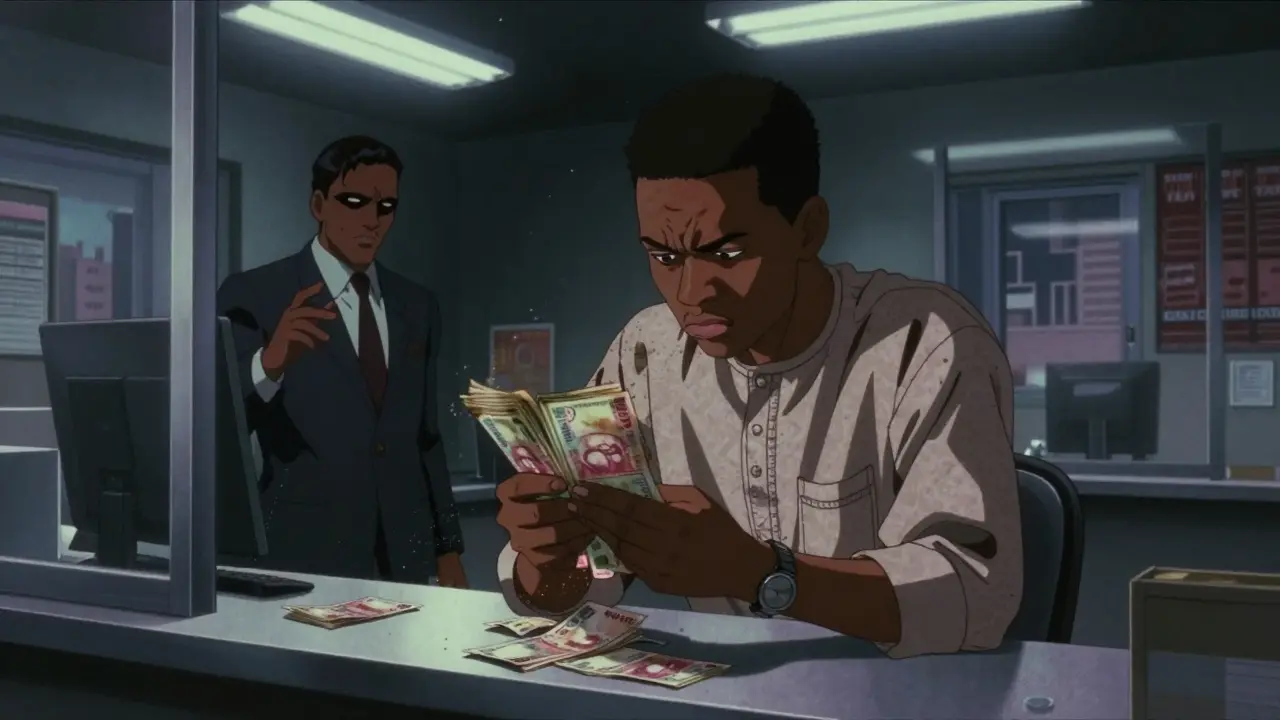
Imagine trying to send money to a family member abroad. You walk into a bank, but the exchange rate is terrible. The fees are high. And on top of that, you’re told there’s a limit on how much foreign currency you can buy. Now imagine doing this every month while your local savings lose value faster than you can spend them. This isn’t a hypothetical scenario for many Nigerians. It is their daily reality. But instead of giving up, millions have turned to a different system. They trade directly with each other using digital assets. This peer-to-peer (P2P) movement has pushed Nigeria to the top of global crypto adoption charts, even as government rules try to keep pace.
You might wonder why one country leads the world in this space. Is it just about technology? No. It is about survival, innovation, and a refusal to accept broken financial systems. While Western nations debate minor regulatory tweaks, Nigeria has built an entire underground economy that now operates in the open. By late 2023 and into 2025, the landscape shifted dramatically. The Central Bank of Nigeria (CBN) lifted its ban on banks servicing crypto businesses. Yet, the P2P model remains the backbone. Why? Because it works when traditional banking fails.
The Push Factor: Why Nigerians Fled Traditional Banking
To understand the rise of P2P crypto, you first need to look at what people were running from. For years, the Nigerian banking sector was restrictive. In 2017, the CBN instructed commercial banks to stop processing cryptocurrency transactions entirely. This didn’t kill the market. It forced it underground. Traders had to find ways to move money without touching bank accounts linked to exchanges. They used cash deposits, third-party agents, and direct transfers between individuals. This necessity birthed a robust P2P infrastructure.
Then came the economic pressure. Between 2016 and 2024, the naira lost more than three-quarters of its value against the US dollar. Inflation surged past 24% in 2023. When your cash loses value every day, you look for a safe haven. Cryptocurrencies like Bitcoin offered a way to preserve wealth. But accessing stablecoins or dollars through traditional channels was nearly impossible for the average person. Foreign remittance fees hit up to 8%. If you earned $1,000 working abroad, your family received less than $920 after fees and bad exchange rates. P2P crypto cut those costs by 60-80%. That is not just convenient; it is life-changing.
| Feature | Traditional Banks/Money Transfer | P2P Crypto Trading |
|---|---|---|
| Average Fees | 5-8% per transaction | 0.1-1% (platform dependent) |
| Exchange Rate Spread | High (often 10-15% worse than market) | Low (close to global market rate) |
| Access to Forex | Limited by central bank quotas | Unlimited (market driven) |
| Speed | 1-3 business days | Minutes to hours |
| Inflation Hedge | No (holds depreciating fiat) | Yes (stablecoins/bitcoin) |
With approximately 36% of adults unbanked and many others underbanked, the formal financial system simply couldn’t serve everyone. Crypto filled the gap. It wasn’t a choice made in a boardroom. It was a grassroots solution to a systemic failure.
How P2P Trading Actually Works in Nigeria
If you’ve never traded P2P crypto, it can seem risky. You are essentially buying digital money from a stranger. But the platforms used in Nigeria, such as Quidax, Patricia, Luno, and Binance, have built sophisticated escrow systems to protect users. Here is how a typical transaction unfolds:
- Listing Creation: A seller lists a price for Bitcoin or USDT (Tether) in Naira. They specify their preferred payment method, such as bank transfer, USSD code, or mobile wallet.
- Order Placement: You, the buyer, place an order. The platform locks the seller’s crypto in escrow. Neither party can touch it yet.
- Payment: You send Naira to the seller’s provided bank account via your own banking app. You then upload proof of payment-a screenshot or receipt-to the platform.
- Verification: The seller confirms they received the funds. Once verified, the platform releases the crypto from escrow to your wallet.
- Dispute Resolution: If the seller claims non-payment, or you claim non-delivery, the platform’s support team steps in. They check bank records and chat logs to decide who gets the funds.
This process requires trust in the platform, not necessarily the individual trader. Over time, traders build reputations. Sellers with thousands of successful trades get badges and lower fees. Buyers learn to spot scams by checking these ratings. It is a reputation-based economy layered on top of blockchain technology.
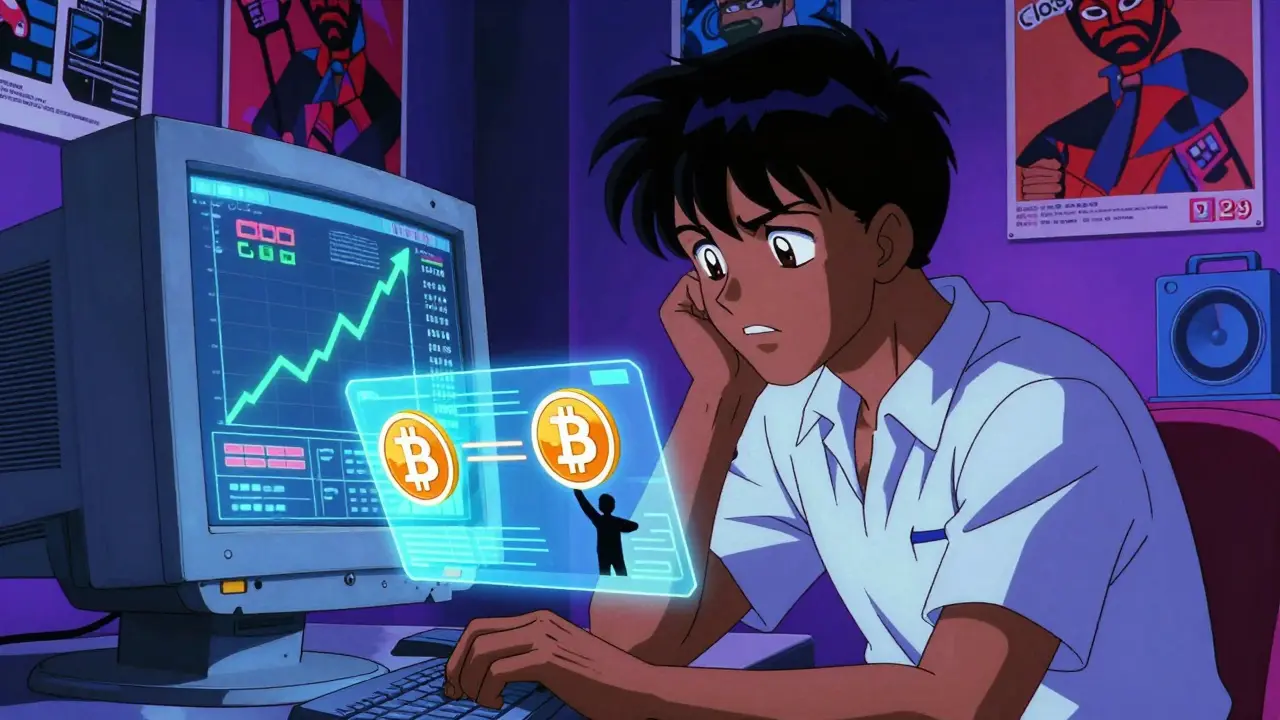
The most traded pair is Bitcoin/Naira. However, stablecoins like USDT and USDC are increasingly popular because they offer the speed of crypto without the volatility of Bitcoin. Ripple (XRP) and Dash also see usage, though to a lesser extent. The diversity shows that Nigerians aren’t just gambling on price pumps; they are using these tools for practical payments and savings.
From Ban to Boom: The Regulatory Shift
For years, the narrative was simple: the government hates crypto. The 2017 circular was followed by stricter measures in 2021. Banks froze accounts linked to exchanges. Users faced constant anxiety. Yet, the data told a different story. Chainalysis reported that Nigeria ranked second globally in crypto adoption in 2024. By September 2025, the Global Crypto Adoption Index placed Nigeria at sixth, still leading Africa. You cannot ban what half the population needs to survive.
The turning point came in late 2023. The CBN lifted the ban on banks servicing crypto businesses. This was a massive shift. Suddenly, licensed exchanges could operate openly. Banks could process transactions to known entities without fear of penalties. Investor confidence soared. The Investments and Securities Act of 2025 further clarified things by recognizing digital assets as financial securities. This didn’t eliminate restrictions-it regulated them.
Why did the government change its mind? Two reasons. First, tax revenue. The informal P2P market was growing too large to ignore. Second, technological inevitability. The Nigeria Inter-Bank Settlement System (NIBSS) partnered with Zone’s blockchain network in 2025 to modernize interbank settlements. This reduced fraud and sped up transactions. The state realized it needed to integrate with blockchain, not fight it. Moniepoint, a major fintech player, achieved unicorn status with a $1 billion valuation in 2025, partly due to its integration of blockchain tech. The message was clear: innovation wins.

Challenges Remain: Security and Scams
It is not all smooth sailing. P2P trading carries risks. The biggest threat is fraud. Bad actors pose as sellers, take your money, and disappear. Or they pose as buyers, claim they sent money, and trick the seller into releasing crypto. Platforms have improved dispute resolution, but vigilance is key. Users must verify bank details carefully. Never communicate outside the platform’s chat system. If a deal seems too good to be true-like a price significantly below market rate-it probably is.
Another challenge is the learning curve. Getting started takes time. Identity verification (KYC) is mandatory on reputable platforms. You need to provide your National ID or passport. For older generations or those in rural areas with poor internet access, this barrier is real. However, community support is strong. Telegram groups, WhatsApp communities, and local meetups help newcomers learn. YouTube tutorials in Pidgin English and other local languages have exploded in popularity. Within 2-4 weeks, most users become proficient. Advanced strategies take longer, but basic buying and selling are accessible.
Volatility is another factor. If you hold Bitcoin, its price can swing wildly. Many Nigerians mitigate this by converting immediately to stablecoins like USDT, which pegs to the US dollar. This gives them protection against naira devaluation without exposure to crypto market crashes.
The Future: Institutional Adoption Meets Grassroots Energy
Where does this leave Nigeria? The trajectory points toward a hybrid model. On one side, you have the grassroots P2P traders who started this revolution. On the other, you have institutional players entering the space. Exchanges are getting licenses. Banks are offering crypto-related services cautiously. The NIBSS blockchain integration suggests that the core financial infrastructure will increasingly rely on distributed ledger technology.
Analysts predict Nigeria could become Africa’s largest crypto economy by transaction volume within two years. With 22 million expected users by 2025-roughly 10% of the population-the penetration rate surpasses most developed nations. The young, tech-savvy demographic drives this growth. Unlike countries where crypto is a niche hobby, here it is a utility. It is how you pay for goods, send remittances, and save for retirement.
However, risks remain. Regulatory reversals are possible if political winds shift. International pressure regarding anti-money laundering (AML) compliance could tighten rules further. Central Bank Digital Currencies (CBDCs), like the eNaira, compete for attention. But so far, the eNaira has struggled to gain traction compared to decentralized alternatives. People prefer assets they control, not those issued by a central authority.
Nigeria’s story is a lesson in resilience. When traditional systems fail, people innovate. The P2P crypto market is not just a financial tool; it is a testament to human adaptability. As regulations mature and technology improves, Nigeria’s leadership in this space will likely inspire other emerging markets facing similar challenges. The future of finance in Africa may well be peer-to-peer.
Is P2P crypto trading legal in Nigeria?
Yes, as of late 2023, the Central Bank of Nigeria (CBN) lifted its ban on banks servicing crypto businesses. The Investments and Securities Act of 2025 further regulates digital assets as financial securities. While trading is legal, users must comply with Know Your Customer (KYC) and Anti-Money Laundering (AML) requirements on licensed platforms.
Which platforms are best for P2P trading in Nigeria?
Popular and reputable platforms include Quidax, Patricia, Luno, and Binance. These platforms offer escrow services, dispute resolution, and support for local payment methods like bank transfers and USSD. Always choose platforms with high liquidity and positive user reviews to minimize risk.
How do I avoid scams when trading P2P?
Never release crypto or confirm payment until you have verified the transaction on the platform. Check the counterparty’s trade history and rating. Avoid deals with prices significantly below market value. Keep all communication within the platform’s chat system to ensure evidence is available for dispute resolution.
Why do Nigerians prefer P2P over traditional banks?
P2P offers lower fees (60-80% cheaper than remittance services), better exchange rates, and unrestricted access to foreign currencies. It also serves as a hedge against naira devaluation and inflation, allowing users to preserve wealth in stablecoins or Bitcoin.
What cryptocurrencies are most popular in Nigeria?
Bitcoin (BTC) is the most widely recognized and traded. However, stablecoins like Tether (USDT) and USD Coin (USDC) are increasingly popular for daily transactions and savings due to their price stability. Ripple (XRP) and Dash also see moderate usage.





Comments
Melissa L
June 27, 2026 AT 09:19thats crazy how they just bypassed the whole banking system
Rebecca Shoniker
June 29, 2026 AT 07:44The structural inefficiencies of traditional fiat systems are precisely what necessitate this decentralized pivot. It is not merely a technological upgrade; it is an economic imperative driven by hyperinflationary pressures and systemic exclusion. The data clearly indicates that when institutional trust erodes, market participants will inevitably seek alternative liquidity channels. One must recognize that the 'underground' nature of these transactions is a direct symptom of regulatory failure rather than criminal intent. Furthermore, the adoption of stablecoins as a primary store of value highlights a sophisticated understanding of risk mitigation among retail users who are effectively hedging against currency devaluation in real-time.
Carol @minaszilda
June 29, 2026 AT 14:13It really shows resilience. People find ways to survive.
Emma Rémond
June 30, 2026 AT 21:06Let us be intellectually honest about the underlying mechanics here. This is not some grassroots utopia; it is a desperate flight from capital controls enforced by a failing state apparatus. The reliance on P2P networks exposes these users to significant counterparty risk and regulatory arbitrage vulnerabilities. While the volume is impressive, the sustainability of such a model without robust legal frameworks for dispute resolution beyond platform-specific escrow mechanisms is questionable. The term 'adoption' is often misused to describe mere survival tactics in emerging markets with broken monetary policies. True financial inclusion requires more than just access to volatile digital assets; it demands stability and legal recourse which these informal networks currently lack.
Jay Sharma
July 1, 2026 AT 22:38they dont want you to know this but the central banks are actually pushing this to track everyone better. its all part of the plan to control your money completely through blockchain surveillance. wake up sheeple.
Rob Morton
July 2, 2026 AT 14:56I wonder if the younger generation sees this as normal or revolutionary? It seems like a natural evolution of trustless systems. The educational aspect via local languages is crucial for widespread literacy in finance.
Jon Milton
July 3, 2026 AT 08:53You are missing the point entirely. This is not about surveillance or conspiracy theories. It is about basic human agency in the face of economic oppression. When your currency loses 75% of its value, you do not wait for permission to protect your livelihood. You adapt. The Nigerian example is a masterclass in pragmatic innovation. We should be studying their methods for building resilient community-based financial networks rather than dismissing them as 'underground.' The aggression of the state forces the creativity of the people. It is a stark reminder that freedom of exchange cannot be legislated away, only obstructed.
Carl Hanzel
July 3, 2026 AT 19:39Oh please. Don't romanticize poverty-driven desperation as 'innovation.' They are using crypto because their government failed them, not because they are brilliant innovators. If the naira was stable, nobody would care about Bitcoin. It is a band-aid on a gunshot wound. And let's not forget the scams. Half these 'traders' are getting fleeced by bad actors. It is not a revolution; it is a chaotic free-for-all where the educated get rich and the poor lose everything. Typical Western narrative trying to spin chaos into progress.
Maurice Flynn
July 4, 2026 AT 13:50Hey man, I think both sides have valid points. The system is broken, so people fix it themselves. That is kind of cool in a gritty way. But yeah, the risks are real. You gotta be smart about it.
Robert Hundley
July 5, 2026 AT 18:13Love the energy here! It is amazing how technology bridges gaps. Keep pushing forward guys! :)
Fiona Ellis
July 6, 2026 AT 22:26I find it fascinating how the regulatory landscape shifted so abruptly 📉➡️📈. The CBN lifting the ban in late 2023 was a pivotal moment. However, one must consider the implications for AML compliance. Are we seeing a genuine integration or merely a rebranding of existing underground flows? The use of USSD codes for crypto transactions is particularly ingenious given the low smartphone penetration in rural areas. It democratizes access in a way that pure app-based solutions cannot. 🌍💸
Nicole Woessner
July 8, 2026 AT 10:13it is wild how fast things change. one day its banned next day its legal. makes you wonder what else is coming
Mélanie Boulay
July 10, 2026 AT 05:33While I appreciate the detailed breakdown of the P2P mechanism, I feel compelled to address the broader socio-economic implications at length. The fact that thirty-six percent of adults remain unbanked underscores a fundamental failure of the traditional financial infrastructure to serve the populace adequately. Consequently, the emergence of peer-to-peer cryptocurrency trading is not merely a technological trend but a necessary corrective measure to systemic exclusion. Moreover, the reliance on reputation-based economies layered atop blockchain technology suggests a shift towards decentralized trust models which may eventually supersede centralized banking authorities. It is imperative that we recognize the agency of individuals in developing markets who are forced to innovate due to restrictive capital controls and high inflation rates. The transition from cash deposits to digital escrow systems represents a significant leap in financial literacy and security for millions of users who previously had no recourse against fraud or theft within the informal sector.
Carl Belgrave
July 10, 2026 AT 16:16Get off my lawn with this globalist nonsense. Our dollar is strong because we have order. These countries fail because they lack discipline. Crypto is a tool for criminals and lazy people who don't want to work within the system. We should be proud of our institutions, not copying the chaos of failed states. This is why America leads the world. Strength comes from stability, not from gambling on digital tokens.
Routh Middaugh
July 11, 2026 AT 17:55Look, I am not saying one system is better than another. Both have pros and cons. The US has stability but high fees. Nigeria has low fees but high risk. It is about balance. Maybe we can learn from each other?
Sajjad Ghorbani Moghaddam
July 12, 2026 AT 04:45Hey everyone, just wanted to say that the table comparing fees is super helpful. It really puts things in perspective. Thanks for sharing this info.
Trent Erman1
July 12, 2026 AT 15:03Great read! Here is a pro tip: always check the seller's completion rate before trading. Also, using USDT is smarter than BTC for daily savings because you avoid volatility. Stay safe out there! 💪🚀
John Curry
July 13, 2026 AT 22:56The philosophical underpinning of this movement is profound. It represents the ultimate assertion of individual sovereignty over collective mandate. When the social contract is breached by economic neglect, the people rewrite the terms of engagement. Nigeria is not just adopting crypto; it is rejecting the premise that wealth must be mediated by the state. This is a dramatic shift in the ontology of money itself. We are witnessing the birth of a new economic consciousness.
Daniel J. Cox
July 14, 2026 AT 12:25Cool stuff. I have friends in Lagos who swear by Binance P2P. They say it is the only way to send money home without losing half to fees. Technology really does connect us. 😎
ELNORA JEFFERSON
July 16, 2026 AT 02:24Boring article. Just another excuse for bankers to lose jobs. Whatever.
Abby Martin
July 17, 2026 AT 07:58Let me tell you something. Most of these 'experts' writing about this don't know the first thing about street-level reality. I have seen how these platforms work. They are full of scammers. But hey, if you are smart enough to navigate the traps, you make bank. It is a jungle out there. Only the ruthless survive. Stop pretending it is some noble cause. It is capitalism in its rawest form.