What is UTONIC (UTON) Crypto Coin: A Practical Guide to TON Liquid Restaking
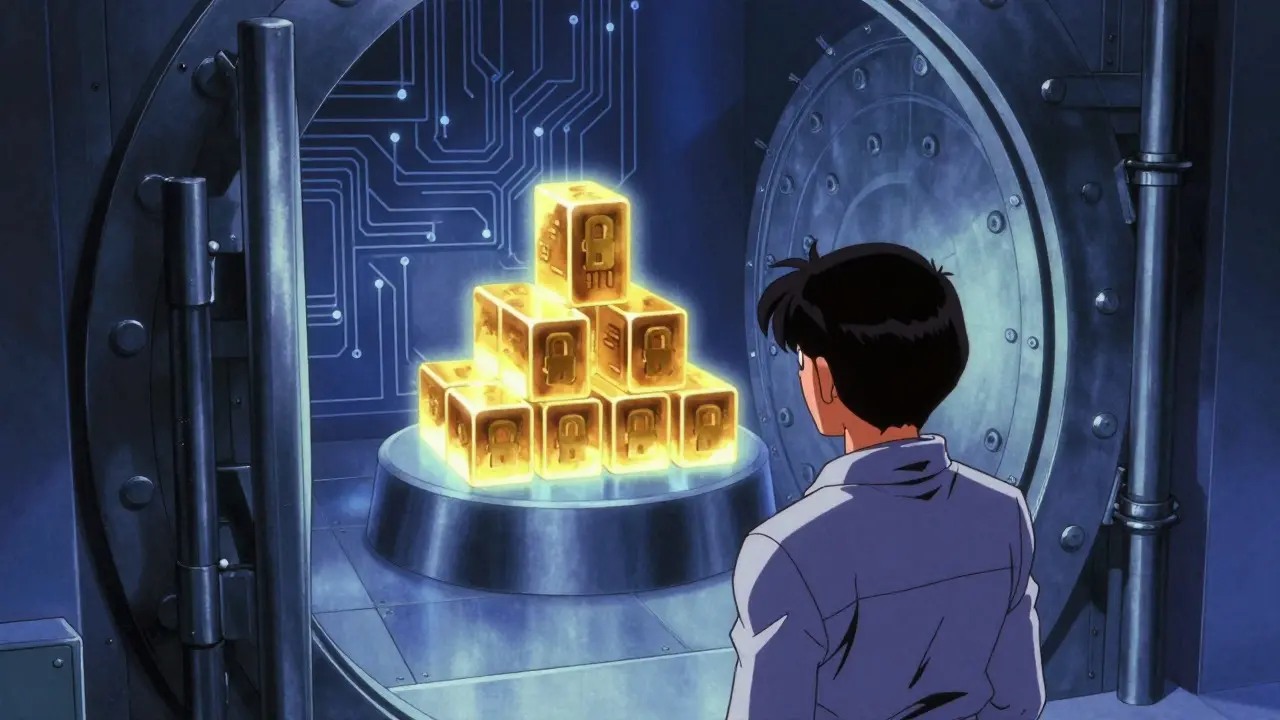
Imagine you have a pile of gold bars locked in a vault. You earn interest on them, but if you need cash for groceries today, you have to sell the bar, wait for processing, and lose that day's interest. That is exactly the problem UTONIC is trying to solve for people holding The Open Network (TON) cryptocurrency.
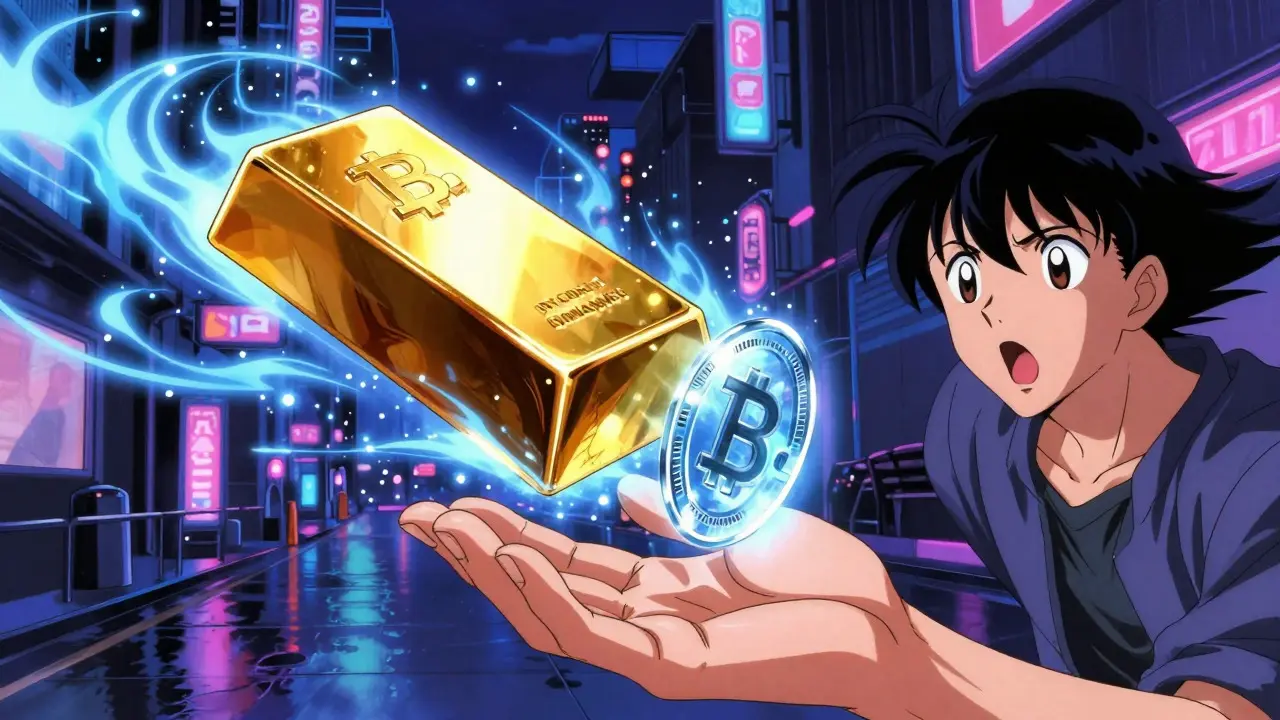
UTONIC is a specialized platform that lets you lock your TON coins to earn rewards while receiving a new token called uTON. This uTON token acts like a receipt. You can trade it, use it in other apps, or swap it back for your original TON whenever you want. It turns frozen assets into flexible ones without losing out on staking yield.
Key Takeaways
- UTONIC is a liquid restaking protocol built specifically for the TON blockchain ecosystem.
- The native token, uTON, is fully backed by restaked TON and Liquid Staking Tokens at a 1:1 ratio.
- As of mid-2026, the project has very low trading volume, making it risky for large trades due to high slippage.
- The team remains anonymous, and security audits are not publicly available, which adds a layer of caution for investors.
- It appeals to early adopters who believe in the long-term growth of the TON network but are not suitable for those needing instant liquidity.
How UTONIC Works in Simple Terms
To understand UTONIC, you first need to grasp the concept of "restaking." In traditional staking, you lock your crypto in a validator node to secure the network. While locked, you cannot move those coins. Restaking allows you to stake your staked assets again to secure additional layers of the network, earning double rewards. However, this usually makes your assets even less accessible.
UTONIC introduces the "liquid" part. When you deposit TON or an existing TON Liquid Staking Token (LST) into the UTONIC smart contract, the protocol mints a new token: uTON. Think of it as exchanging your physical gold bar for a digital certificate that represents that gold. You now hold uTON, which is tradable on decentralized exchanges. If you want your original TON back, you simply burn the uTON. The process is automated via smart contracts, meaning no middleman decides when you get your money back.
This mechanism is crucial because it decouples the earning potential from the asset's usability. You keep earning staking rewards while holding uTON, and you can also participate in other DeFi protocols using uTON as collateral, effectively multiplying your yield sources.
Technical Specs and Tokenomics
Let’s look at the hard numbers behind uTON. The token operates on the TON blockchain and follows the ERC-20 compatible standard, which helps with interoperability across different wallet interfaces. The maximum supply is capped at 3,046,314 tokens. This fixed cap prevents inflationary dilution, a common concern in newer crypto projects.
| Metric | Value/Status | Context |
|---|---|---|
| Total Supply Cap | 3,046,314 UTON | Fixed limit to prevent inflation | Circulating Supply | ~128,907 UTON | Approximately 4.2% of total supply | Collateral Ratio | 1:1 | Backed by TON and LSTs | Primary Chain | TON Blockchain | Native to The Open Network | Exchange Listings | Limited DEXs | Not listed on major CEXs like Binance |
The low circulating supply compared to the total cap suggests that a significant portion of tokens is reserved for future incentives, team allocation, or protocol treasury. For traders, this means that as more tokens enter circulation over time, there could be selling pressure unless demand grows simultaneously. Currently, the token ranks around #4545 by market capitalization, placing it in the lower tier of cryptocurrencies globally.
Market Reality: Liquidity and Volatility
Here is where the practical experience diverges from the theoretical promise. As of late 2025 and early 2026, UTONIC suffers from extremely low liquidity. Daily trading volumes have frequently hovered near zero, sometimes registering only a few dollars in total activity. What does this mean for you? If you try to buy or sell a meaningful amount of uTON, you will likely face "slippage." Slippage is the difference between the expected price and the final price you pay. With thin order books, buying 100 uTON might push the price up significantly, costing you more than anticipated.
User reports from community forums indicate slippage rates of up to 15% during small swaps. This makes UTONIC impractical for day traders or anyone needing to exit quickly. The price volatility reflects this lack of depth; minor trades can cause percentage swings that seem disproportionate to the actual market movement. The all-time high was recorded in December 2024, and since then, the price has experienced significant corrections, reflecting the speculative nature of the asset.
Furthermore, the absence from major centralized exchanges like Binance limits accessibility. Most retail investors prefer buying on familiar platforms with deep liquidity. Being restricted to decentralized exchanges (DEXs) requires users to manage gas fees on the TON network and handle private keys directly, adding technical barriers for beginners.
Risks and Security Considerations
Investing in any micro-cap token carries inherent risks, but UTONIC has specific red flags worth noting. First, the development team is anonymous. While this is common in DeFi, it removes accountability. If the protocol faces a bug or exploit, there is no named entity to sue or contact for support. Second, public security audits are scarce. Blockchain security firm CertiK noted in their 2025 reports that unaudited restaking protocols account for a large percentage of DeFi exploits. Without a published audit report from a reputable firm, you are trusting the code based on its functionality alone.
Regulatory uncertainty also looms over restaking tokens. Global financial regulators are still defining how these instruments fit into existing frameworks. The SEC has not issued specific guidance on restaking, leaving a gray area that could impact future adoption. If regulations tighten, niche protocols like UTONIC might face compliance hurdles that larger, established players can easily absorb.

Who Is UTONIC For?
Given the constraints, UTONIC is not for everyone. It is best suited for:
- Long-term TON believers: Those who already hold TON and want to maximize yield without exiting their position.
- DeFi veterans: Users comfortable with DEXs, wallet management, and understanding slippage risks.
- Speculative allocators: Investors willing to allocate a small, "risk-free" portion of their portfolio to high-potential, high-risk niche plays.
It is likely not suitable for beginners, those needing stable liquidity, or investors who rely on major exchange listings for ease of access. If you are looking for a safe, liquid asset, stick to major caps. If you are exploring the edges of the TON ecosystem, UTONIC offers a unique utility play, provided you accept the current friction.
Frequently Asked Questions
Is UTONIC a good investment in 2026?
It depends on your risk tolerance. UTONIC is a high-risk, high-reward play tied to the growth of the TON ecosystem. Its low liquidity and anonymous team make it speculative. Only invest what you can afford to lose, and expect high volatility.
Where can I buy UTON (UTONIC)?
Currently, UTON is primarily traded on decentralized exchanges (DEXs) within the TON ecosystem. It is not listed on major centralized exchanges like Binance or Coinbase. You will need a TON-compatible wallet like Tonkeeper to interact with these DEXs.
What happens if the UTONIC protocol gets hacked?
Since uTON is backed by real TON assets in smart contracts, a hack could potentially freeze or drain these underlying assets. Because the team is anonymous and audits are limited, recovery mechanisms may be unclear. Always check for updated audit reports before depositing large sums.
How does UTONIC differ from regular TON staking?
Regular staking locks your TON in a validator with no immediate liquidity. UTONIC allows you to convert that staked value into uTOKEN, which is a liquid asset you can trade or use in other DeFi applications while still earning staking rewards.
Why is the trading volume so low?
Low volume is typical for niche, early-stage DeFi protocols. UTONIC serves a specific segment of the TON ecosystem. Until TON itself grows significantly in user base and DeFi participation, UTONIC will likely remain a low-activity token. This limits its appeal to mainstream traders.


Comments
Jade Brown
August 20, 2026 AT 21:30Let's cut the fluff and look at the alpha here. This isn't just a coin; it's a liquidity layer for TON's staking yield curve. The uTON token is essentially a receipt for your locked capital, but the real play is in the composability. You can use this as collateral in other DeFi protocols on the TON chain, which multiplies your yield sources without touching your principal. Most people see 'low volume' and run, but that's exactly where the inefficiency lies. If you understand the mechanics of liquid restaking, you know that the initial slippage is a feature, not a bug, until the order books deepen. It's a high-beta play on the TON ecosystem's growth. Don't expect it to be a stablecoin substitute; it's a volatility engine. The 1:1 backing gives it a floor, but the upside is uncapped if TON adoption spikes. Ignore the noise from the retail crowd who don't get why we're locking assets twice. This is institutional-grade infrastructure wrapped in a micro-cap skin.
Claudio Perrone
August 21, 2026 AT 10:32honestly feels like a trap to me... why would anyone lock their gold up again when they could just sell it? its like putting a padlock on a padlock. the whole idea of restaking just sounds way too complicated for normal people. i think its just another way for the whales to dump on us later. also the team being anon is sus af. no face no case right?
Aaron Morrissey
August 21, 2026 AT 15:31One must appreciate the architectural elegance of decoupling utility from ownership in this specific context. The mechanism by which UTONIC mints uTON against staked TON is, in my humble opinion, a rather sophisticated solution to the liquidity trilemma that plagues many proof-of-stake networks. While the current market depth is admittedly precarious, the theoretical underpinning suggests a robust path toward greater capital efficiency within the TON ecosystem. It is not merely a speculative instrument, but a foundational piece of infrastructure that allows for more complex DeFi interactions. We should view this not with the jaded eye of a day trader, but with the patient gaze of an architect observing the laying of bricks. The potential for composability is truly staggering if one looks beyond the immediate price action.
Patrick Quairoli
August 22, 2026 AT 20:56this is all part of the big plan to control our money... the anonymous team is hiding something huge. probably working with the sec or some foreign gov agency to track every transaction. i saw a post somewhere saying the smart contracts have backdoors. dont trust any code you cant audit yourself. its all about centralization disguised as decentralization. wake up sheeple.
Phelan Deihl
August 24, 2026 AT 03:37I’ve been holding TON for a while now and I get why this exists. It’s nice to have options besides just staking and waiting. I’m not sure about the liquidity side yet though, seems a bit risky to try and move large amounts. But for small positions, it might be worth a look.
Ami Elizabeth
August 25, 2026 AT 08:45chill out guys. its just a new thing. give it time. the tech seems cool enough to me. im just watching from the sidelines for now tho. low volume is always a red flag but so is hype.
Walker Perry
August 26, 2026 AT 06:57America needs to lead in blockchain innovation not hide behind these obscure foreign chains. TON is russian owned remember? So this UTONIC is basically a tool for foreign entities to manipulate our digital currency markets. The lack of audits is suspicious because they are trying to keep the code hidden from US regulators. We need strict laws to protect American investors from these shady offshore schemes. Do not touch this until the SEC clears it. Its a threat to national financial security if you think about it. The anonymity is a tactic used by criminals everywhere. Stay safe and support domestic projects only.
Susan Kiley
August 26, 2026 AT 13:58Oh, darling, how *quaint* of them to invent a token for a problem most of us haven't even noticed yet. :P
It’s simply adorable how they frame 'liquidity risk' as 'early adopter privilege.' I suppose if you’re willing to lose 15% on a swap just to feel like a pioneer, go right ahead. The rest of us prefer our assets to actually be, well, accessible. It’s a very niche little club they’ve built, and frankly, the entry fee is quite steep in terms of technical complexity. One wonders if the 'anonymous team' is simply too shy to show their faces at such a grand opening. Truly, the audacity to call this a 'practical guide' when the practicality is non-existent for 99% of users is peak crypto humor. :O
Gary Straiton
August 27, 2026 AT 07:21This is precisely why the US needs to dominate the crypto space! We shouldn't be relying on these half-baked protocols from overseas. Look at the volume - it's pathetic. Why would any serious American investor put their hard-earned dollars into a token that trades like a ghost? It’s a sign of weakness. We need strong, centralized exchanges that provide stability and transparency. This UTONIC thing is just another example of why we need tighter regulation to weed out the junk. Let the market sort itself out, but let it happen on OUR terms, with OUR rules. Anything else is just chaos. And chaos is bad for business!
alex fordy
August 27, 2026 AT 17:35I think there's a lot of valid points here about the risks 🧐
It really does seem like a tool for people who already have a deep understanding of DeFi. For beginners, it might be a bit overwhelming with the wallets and gas fees. But I do like the idea of keeping your TON while earning extra rewards. It's a nice compromise if you believe in the long term. Just have to be careful with the slippage though! 😅
Nia Franklin
August 28, 2026 AT 01:44oh my gosh, this is so interesting!! i love how they explain it like a gold bar!!! that made it click for me finally!! i was confused about restaking before but now it makes sense!! its like having a ticket to the show instead of standing in line?? anyway, i'm still scared to buy it because of the low volume but i think its cool that they are trying to make tony more useful!! maybe i'll try a tiny amount later?? what do you guys think?? 🎉🎊✨
Daniel Brown
August 29, 2026 AT 14:52You mentioned the 1:1 backing, but did you check the actual smart contract address? Because if you dig into the code, you'll see there's a pause function that isn't documented in the main whitepaper. That's a classic rug pull setup. The team can freeze withdrawals anytime they want. It's not really 'liquid' if they hold the kill switch. I'd wait until a third-party audit confirms the admin keys are renounced. Otherwise, you're just trusting their word, which is dangerous in this space.
Darren Moon
August 30, 2026 AT 09:58In essence, the proposition is somewhat redundant given the existing LSTs on TON. The marginal utility gained from 'restaking' via this specific protocol appears negligible compared to the operational friction introduced by the additional layer of abstraction. One must ask oneself whether the incremental yield justifies the increased counterparty risk and the sheer inconvenience of managing multiple token types. It is, quite frankly, a solution looking for a problem. The liquidity metrics provided are, at best, optimistic projections rather than realized market conditions. Until the order book depth improves significantly, this remains a theoretical exercise in DeFi engineering rather than a practical investment vehicle. I shall remain cautiously skeptical until further evidence of sustained volume emerges.
Quang Thai Tran
September 1, 2026 AT 09:56It is imperative that we scrutinize the governance structure of this entity. The anonymity of the core developers is a significant liability in the current regulatory climate. One cannot assume good faith without verifiable identity and legal recourse. Furthermore, the lack of a published audit report from a Tier-1 firm is a glaring omission that demands immediate attention. Until these deficiencies are rectified, this asset class remains in a state of limbo, neither fully trusted nor entirely dismissed. Prudence dictates a wait-and-see approach until the fog of uncertainty lifts. Do not be swayed by the hype cycle; focus on the fundamentals and the legal framework surrounding the token issuance.
Dianne Ritter
September 3, 2026 AT 08:36I think it depends on what you're looking for. If you're a long-term holder of TON, this seems like a logical next step to maximize returns. But yeah, the liquidity issue is real. I'd probably keep it to a small percentage of my portfolio just to be safe. It's a cool concept though, making frozen assets usable again.