Metamon NFT Rewards: What They Are, How They Work, and Which Projects Still Deliver
When you hear Metamon NFT rewards, incentives tied to blockchain-based games that give holders special benefits like tokens, exclusive access, or trading power. Also known as play-to-earn NFT rewards, they’re meant to turn game time into real value—without needing a middleman. But not all rewards are created equal. Some projects deliver real utility, while others vanish after the hype dies. The key is knowing what’s backed by active players, real demand, and working smart contracts—not just marketing.
NFT rewards, digital assets that unlock perks in games, exchanges, or DeFi protocols. Also known as gaming NFTs, they’re not just collectibles—they’re keys. Think of them like a VIP pass that gives you 2x earnings, early access to new drops, or voting rights in a game’s future. Projects like Zamio’s TrillioHeirs NFT and KALATA’s CoinMarketCap airdrop showed how these rewards can multiply your position on launchpads or unlock metaverse features. But if the game stops updating, the rewards stop mattering. That’s why the best ones tie directly to ongoing activity, not a one-time drop. And blockchain gaming, games built on decentralized networks where assets are owned by players, not companies. Also known as play-to-earn gaming, it’s the engine behind these rewards. Without a living ecosystem—players, updates, liquidity—the NFT becomes a digital ghost. Look for games with daily active users, regular token burns, or real revenue streams. If the only thing moving is the price chart, walk away.
Play-to-earn crypto, crypto tokens earned by playing games, completing tasks, or holding NFTs. Also known as P2E tokens, they’re the currency inside these reward systems. But here’s the catch: most P2E tokens have no real demand outside their own game. Merge Pals, ArgentinaCoin, and Isabelle are all examples of tokens that started with big promises and ended with near-zero trading volume. The winners? Projects where the token is needed to pay for in-game actions, stake for rewards, or trade on active markets. If you can’t sell it or use it, it’s not a reward—it’s a placeholder. And NFT airdrops, free NFTs given to early users or token holders as a reward for participation. Also known as crypto airdrops, they’re often the entry point to Metamon-style rewards. But don’t chase every free drop. The ones that matter come from projects with real infrastructure—like Zamio’s multiplier system or CoinMarketCap’s verified campaigns. If the airdrop has no roadmap, no team, and no trading volume, you’re not getting rewarded—you’re being used as a marketing tool.
What you’ll find below isn’t a list of every NFT reward ever made. It’s a curated look at the ones that actually delivered value—and the ones that didn’t. You’ll see real examples of what worked, what failed, and why. No fluff. No hype. Just what you need to know before you spend your time or money on the next Metamon-style reward system.
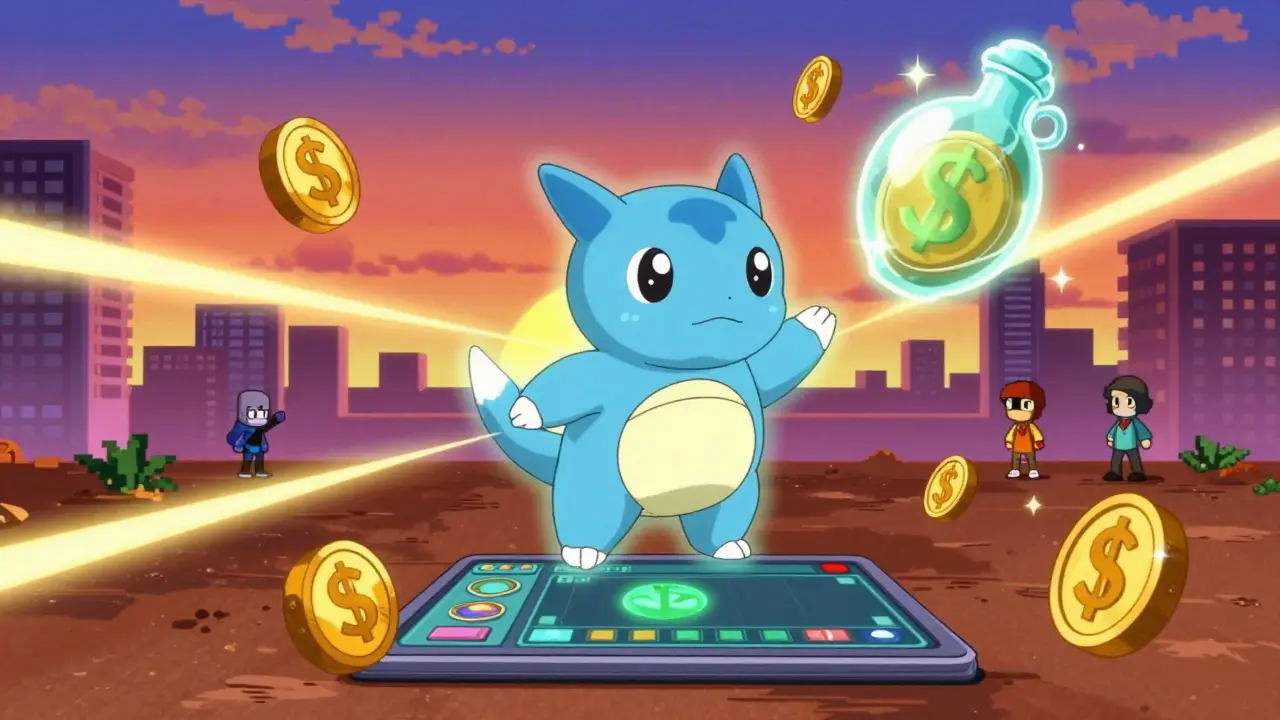
RACA x BSC Metamon Game Airdrop: How It Worked and What You Missed
The RACA x BSC Metamon airdrop rewarded NFT holders with tokens and in-game Potions. Learn who qualified, why the rules were strict, and why the real value wasn't in the token price.
Recent Post