Scam Airdrops: How to Spot Fake Crypto Drops and Protect Your Wallet in 2026

You just got a direct message on Telegram. It looks official. The logo is right. The promise is even better: free tokens from that popular new project everyone is talking about. All you have to do is connect your wallet and sign one transaction. It feels like easy money. But it isn't. In fact, this scenario is the most common way people lose their entire crypto savings today.
Cryptocurrency airdrop scams are fraudulent schemes designed to steal digital assets by impersonating legitimate blockchain projects offering free token distributions. These aren't clumsy mistakes by amateurs anymore. By 2025 and 2026, these operations had become industrial-scale fraud machines. According to data from Chainalysis, global cryptocurrency scam damages exceeded $9.9 billion recently, with fake airdrops being a major contributor. Scammers target your natural excitement about getting something for free, exploiting what traders call FOMO-the fear of missing out.
If you want to stay safe in Web3, you need to understand how these traps work. You also need to know exactly how to spot them before you click "sign." This guide breaks down the mechanics of modern airdrop scams, shows you the red flags that professionals look for, and gives you a step-by-step plan to protect your funds without giving up on legitimate opportunities.
The Anatomy of an Airdrop Scam
To avoid a trap, you first need to see how it’s built. Legitimate airdrops, like those from Uniswap or Arbitrum, are marketing tools used by real companies to distribute tokens to early users. Scammers mimic this model but swap the reward for theft. They don't want to give you tokens; they want access to the ones you already own.
There are four main ways scammers drain wallets during fake airdrop campaigns:
- Malicious Smart Contracts: This is the most dangerous method. When you connect your wallet to a fake site and "claim" the airdrop, you are actually signing a contract that grants the scammer unlimited approval to spend your tokens. Once signed, they can drain your ETH, USDT, or any other asset instantly, often without another prompt.
- Seed Phrase Phishing: Some sites ask for your private key or seed phrase under the guise of "verification" or "security checks." No legitimate service ever needs this. If you type those twelve or twenty-four words into a website, the game is over. They now control your wallet completely.
- Upfront Fees: You might be told to pay a small gas fee or a "tax" to receive your large airdrop. In reality, there is no airdrop. You just sent money to a stranger who will never send anything back.
- Wallet Drainers: These are sophisticated scripts hidden behind attractive interfaces. As soon as your wallet connects, the script scans for valuable assets and executes transactions to move them to the scammer's address. This happens in seconds.
In 2024 and 2025, high-profile projects like Hamster Kombat and Wall Street Pepe became targets. Scammers created near-perfect clones of these brands. They timed their fake launches to coincide with real news cycles, knowing that thousands of eager users were searching for participation links. The result? Millions of dollars lost by people who thought they were clicking the official button.
Red Flags: How to Spot a Fake Instantly
You don't need to be a code expert to spot a scam. Most fraudulent airdrops leave obvious clues if you slow down and look closely. Here is what separates a real drop from a fake one.
| Feature | Legitimate Airdrop | Scam Airdrop |
|---|---|---|
| Source | Official project website, verified Twitter/X account, Discord announcements. | Random DMs, unverified Telegram bots, suspicious URLs with typos. |
| Requirements | Connect wallet only. Sometimes requires past transaction history on-chain. | Asks for seed phrase, password, or upfront payment. |
| Token Name | Standard name matching the project (e.g., "UNI", "ARB"). | Contains URLs in the name (e.g., "ClaimHere.com Token") or random strings. |
| Communication | Professional, clear eligibility criteria, transparent timelines. | Urgent language ("Act now!"), grammar errors, vague details. |
| Reward Size | Realistic value based on market standards. | Unrealistically high promises (e.g., "$10,000 for connecting once"). |
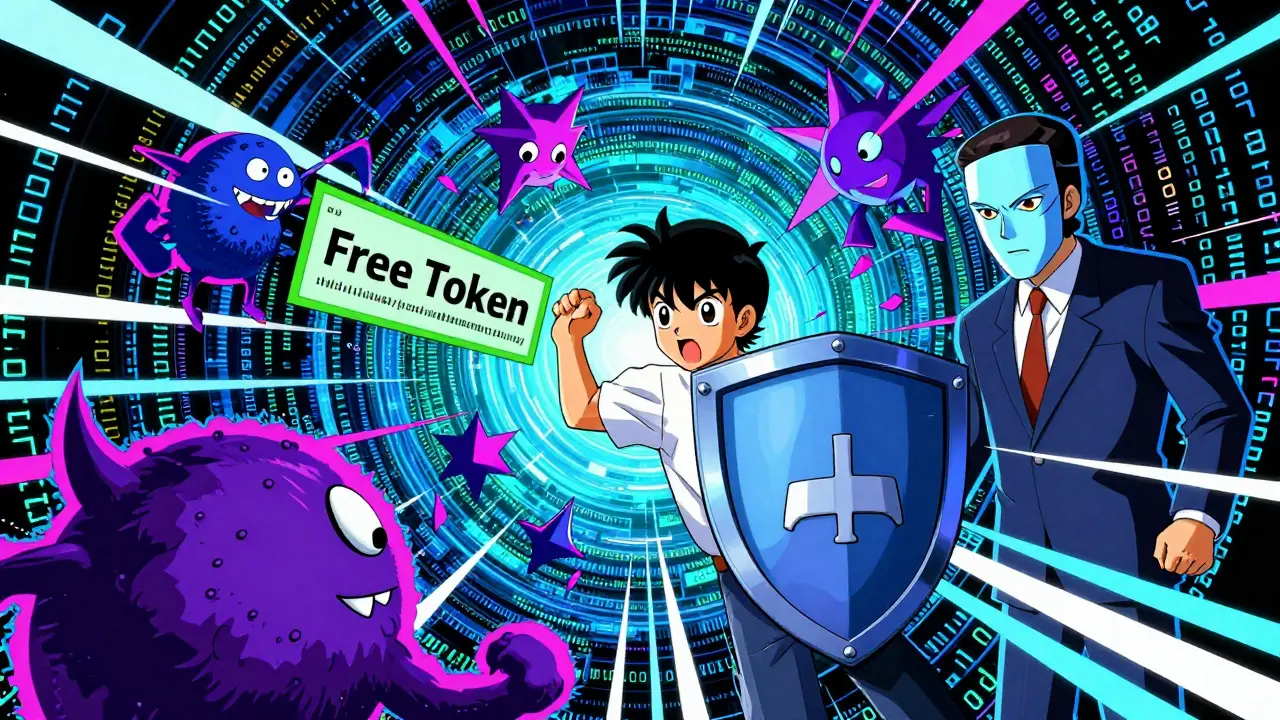
Pay special attention to the token name. Security experts at Uniswarned users specifically about tokens that have URLs embedded in their names or descriptions. If you see a token in your wallet called "GetFreeTokens.io," delete it immediately. That is a bait token designed to lure you to a malicious website when you try to interact with it.
Another major red flag is the source of the information. Did you find this airdrop through an official announcement on the project's verified social media channels? Or did it appear in your inbox via a direct message from someone named "Admin_Support_01"? Legitimate projects broadcast news publicly. They do not whisper secrets to individuals via private chat.
The Evolution of Threats: AI and Social Engineering
The landscape changed dramatically in 2025. Scammers stopped relying solely on bad code and started using psychology and artificial intelligence. The California Department of Financial Protection and Innovation noted a surge in scams using AI-created deepfakes. Imagine receiving a video message from a well-known CEO or influencer telling you to claim an urgent airdrop. It sounds convincing because it looks real.
Social engineering tactics have become more personalized. In May 2025, reports emerged of sophisticated attacks where criminals bribed internal employees at major exchanges to leak user data. They then used this private information to impersonate customer support staff, creating a sense of authority and trust. They demanded ransoms or guided victims into draining their own wallets under the pretense of "securing" accounts.
This shift means you can no longer trust appearances alone. A polished website with perfect grammar and a realistic video doesn't guarantee safety. You must verify the intent behind the interaction. Ask yourself: Why is this person contacting me directly? Do I need to act urgently? Is there pressure involved?
Protecting Your Wallet: Practical Steps
Hardware wallets like Ledger or Trezor are excellent tools, but they are not magic shields. Many users believe that keeping their keys offline makes them invincible. However, if you connect your hardware wallet to a phishing site and approve a malicious smart contract transaction, the hardware wallet will simply execute that command. The private key stays safe, but your funds still vanish. Education is your primary defense.
Here is a practical checklist to secure your participation in Web3:
- Use a Burner Wallet: Never use your main wallet-the one holding your life savings-for interacting with new or unverified protocols. Create a separate wallet with minimal funds for claiming airdrops. If it gets drained, your main assets remain untouched.
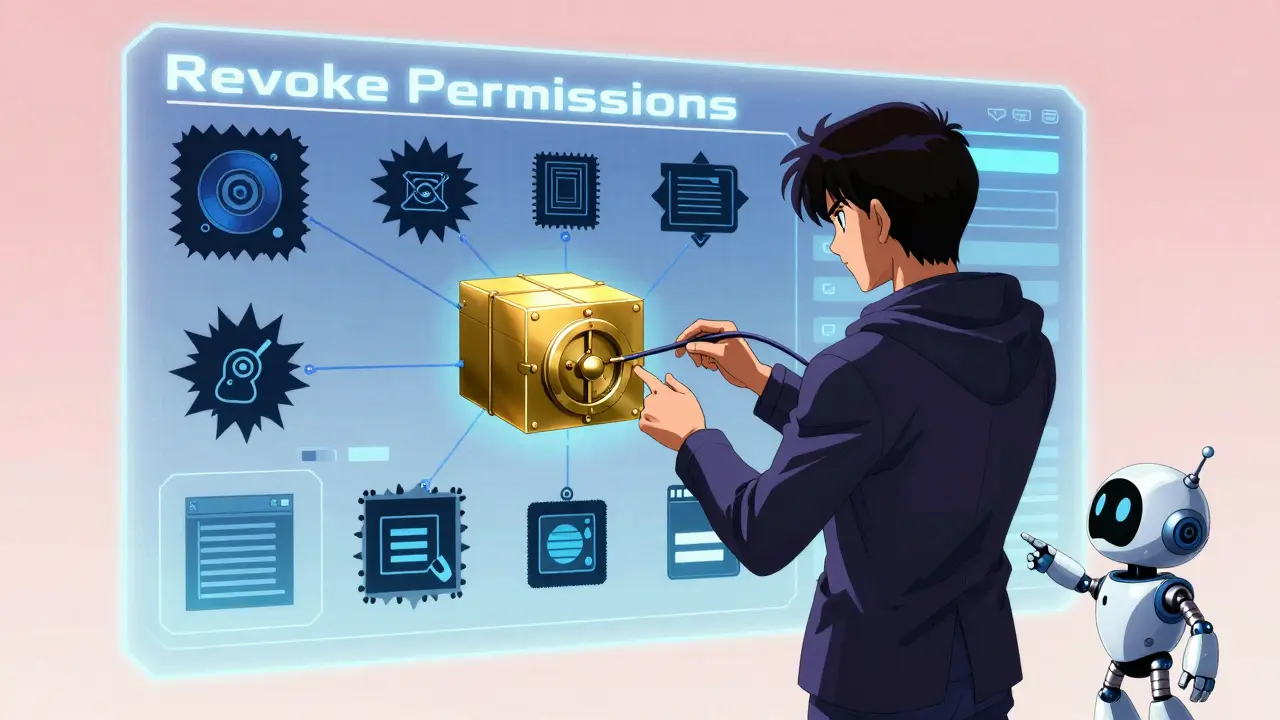
- Revoke Permissions Regularly: Use services like Revoke.cash to check which websites have access to your wallet. If you see approvals for sites you don't recognize, revoke them immediately. This cuts off the lifeline scammers use to drain funds.
- Hide Unknown Tokens: Most wallet interfaces allow you to filter out low-value or unknown tokens. Turn this feature on. Seeing a spam token with a URL in its name can trigger accidental clicks. Hiding them reduces risk.
- Verify Official Channels: Before participating, go to the project's official website (not the link in the DM) and check their announcements. If the airdrop isn't mentioned there, it doesn't exist.
- Never Share Secrets: Treat your seed phrase like the combination to a bank vault. No human or machine should ever see it. If a site asks for it, close the tab.
Also, enable two-factor authentication (2FA) on all your exchange accounts and email addresses. While this doesn't protect against smart contract drains, it prevents attackers from resetting passwords or accessing linked accounts that could lead to further compromise.
What to Do If You Think You've Been Scammed
If you realize too late that you signed a malicious contract or shared your seed phrase, time is critical. First, stop all interactions with the suspicious site. Second, if you still have funds in that wallet, move them to a brand-new wallet immediately. Do not send them to an exchange yet, as some exchanges may freeze accounts associated with compromised addresses. Third, document everything. Take screenshots of the transaction hashes, the website URL, and any communications.
Unfortunately, blockchain transactions are irreversible. There is no "cancel" button. Reporting the incident to local authorities or platforms like the FBI's Internet Crime Complaint Center (IC3) helps track criminal networks, but recovery of funds is rare. The goal here is damage control and preventing future losses.
The Future of Airdrops and Safety
Legitimate projects are adapting too. We are seeing a shift toward activity-based and retroactive airdrops. Instead of simple "connect and claim" models, projects now reward genuine engagement-like providing liquidity or using a protocol over time. This makes it harder for scammers to replicate the experience because they can't fake historical on-chain activity easily.
However, scammers are also evolving. As AI becomes more accessible, expect more personalized social engineering attacks. The battle between security teams and fraudsters is ongoing. The best strategy remains skepticism. If an offer seems too good to be true, it almost certainly is. Stay informed, keep your main wallet isolated, and always verify through official sources. Your vigilance is the strongest firewall in Web3.
Can a hardware wallet protect me from airdrop scams?
Partially. A hardware wallet keeps your private keys offline, which protects against malware stealing them directly. However, it cannot protect you from social engineering or malicious smart contracts. If you connect your hardware wallet to a phishing site and approve a transaction that grants unlimited spending access, the wallet will execute that command, and your funds will be drained. You must still verify the legitimacy of the site before signing.
How do I know if an airdrop announcement is real?
Always cross-reference the announcement with the project's official channels. Check their verified Twitter/X account, official Discord server, and website blog. Legitimate projects announce airdrops publicly to everyone. If you received a direct message on Telegram or WhatsApp offering an exclusive airdrop, it is likely a scam. Also, look for grammatical errors and unrealistic promises, which are common in fake campaigns.
What should I do if I accidentally signed a malicious contract?
Act quickly. If you still have funds in the compromised wallet, transfer them to a new, clean wallet immediately. Do not interact with the malicious site again. Then, use a tool like Revoke.cash to remove the approval permissions granted to the scammer's contract. Document the transaction hash and report the incident to relevant authorities, though recovery of funds is unlikely due to the irreversible nature of blockchain transactions.
Why do scammers put URLs in token names?
This is a psychological trick known as "baiting." When you see a token in your wallet with a name like "ClaimReward.com," you are tempted to click it or search for it to "claim" the supposed reward. Clicking such tokens often redirects you to malicious websites designed to phish your credentials or drain your wallet. Security experts recommend hiding unknown tokens in your wallet settings to avoid accidental interaction.
Is it safe to participate in airdrops in 2026?
Yes, but with caution. Legitimate airdrops are still a valid part of the crypto ecosystem, used by projects to decentralize governance and reward early users. However, the risk of encountering scams is high. To stay safe, use a dedicated burner wallet for airdrop activities, never share your seed phrase, and thoroughly research each project through official sources before participating. The key is balancing opportunity with rigorous security practices.