Mining Crypto in Nigeria: Laws, Restrictions & 2026 Compliance

You might think that because you can’t see a police officer arresting someone for running a GPU rig in Lagos, crypto mining is totally free from rules. That’s a dangerous assumption. As of late 2026, the landscape has shifted dramatically. While mining cryptocurrency in Nigeria isn't explicitly banned by a single "no mining" law, it operates under a web of strict financial and securities regulations that can shut down your operation faster than a power outage.
The reality? If you’re digging into digital assets here, you’re navigating a minefield of banking restrictions, new tax laws, and licensing requirements that didn’t exist three years ago. Let’s break down exactly what you need to know to keep your rigs running and your profits safe.
Is Mining Actually Illegal?
Let’s clear up the biggest myth first. There is no specific Nigerian law that says "you cannot mine Bitcoin." The act of solving mathematical problems to validate transactions is not a crime. However, the moment you try to sell those mined coins, pay for electricity via bank transfer, or register a business around it, you hit regulatory walls.
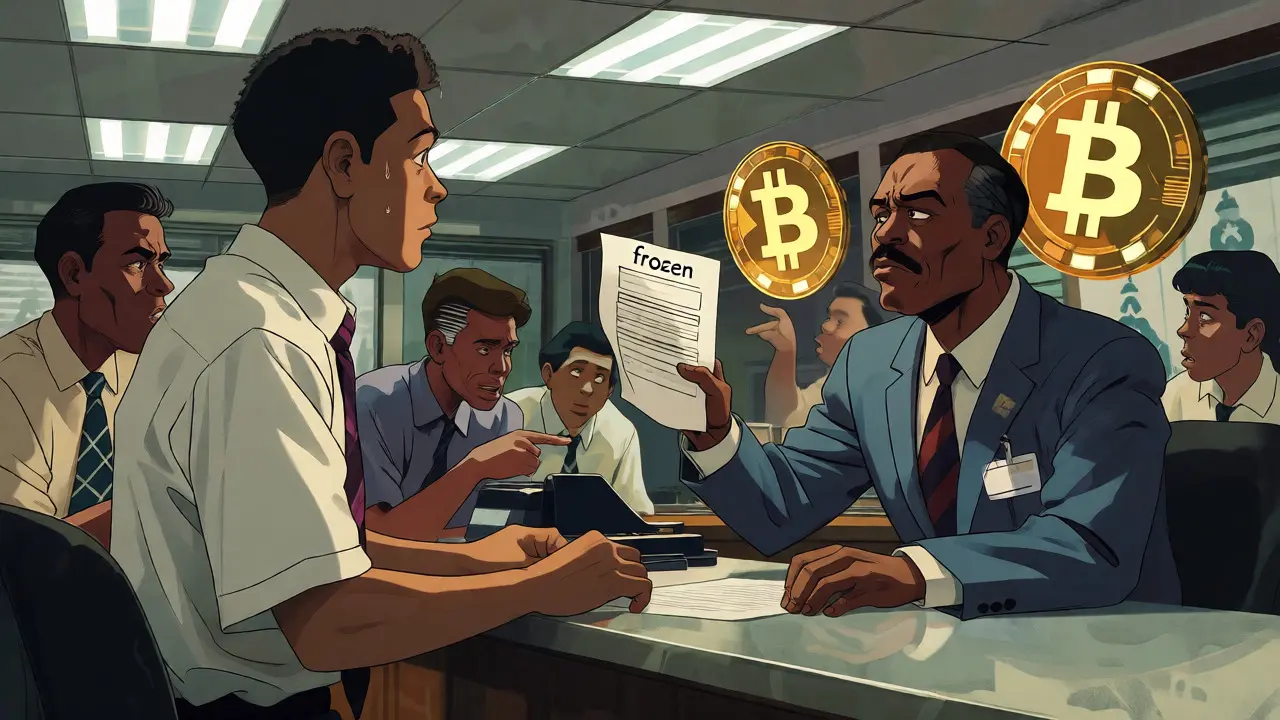
The confusion stems from the Central Bank of Nigeria (CBN)’s historical stance. In 2021, they told banks to stop serving crypto firms. While this was relaxed in late 2023, the stigma remains. Today, banks are allowed to service licensed crypto businesses, but if you’re an unlicensed miner trying to cash out millions of Naira, you’ll likely face account freezes or intense scrutiny.
Think of it this way: Mining is like driving a car without a license plate. You aren't breaking traffic laws by moving the wheels, but the moment you get pulled over-or audited-you’re in trouble for not being registered properly.
The Game Changer: ISA 2025 and SEC Oversight
If you haven’t heard of the Investments and Securities Act (ISA) 2025, start paying attention now. This legislation fundamentally changed how Nigeria views digital assets. Under Section 357, virtual assets are legally defined as securities. Why does this matter for miners?
Because if you offer any service related to mining-like hosting rigs for others, selling hash power, or even operating a pool that interacts with users-you likely fall under the jurisdiction of the Securities and Exchange Commission (SEC). The SEC now requires Virtual Asset Service Providers (VASPs) to obtain licenses.
- Licensing is Mandatory: Foreign and local entities targeting Nigerian users must apply for SEC licenses.
- Capital Requirements: You need paid-up capital, fidelity bonds, and a physical office in Nigeria.
- Compliance: Strict Anti-Money Laundering (AML) and Know Your Customer (KYC) rules apply.
For solo miners just using their home PC, this might seem irrelevant. But for anyone running a small farm or a cloud mining setup, ignoring these rules is a gamble with high stakes.
Banking and Cash Flow Nightmares
Here is the practical headache: How do you buy equipment? How do you pay for diesel when the grid fails? How do you convert your BTC to Naira to pay rent?
Despite the 2023 easing of CBN restrictions, many commercial banks remain cautious. They often treat large inflows from unknown crypto wallets as suspicious activity. This forces many miners to rely on Peer-to-Peer (P2P) exchanges.
| Channel | Risk Level | Speed | Fees | Best For |
|---|---|---|---|---|
| Direct Bank Transfer | High (Freeze risk) | Instant | Low | Small amounts, trusted contacts |
| P2P Platforms (e.g., Paxful, LocalBitcoins successors) | Medium | Variable | Medium-High | Cashing out daily earnings |
| Licensed VASPs (Quidax, Busha) | Low (Regulated) | Fast | Competitive | Business operations, payroll |
| Crypto Debit Cards | Low | Instant | High FX Spread | Everyday purchases |
Between July 2024 and June 2025, Nigerians moved an estimated $92.1 billion in digital assets. Most of this happened outside traditional banking rails. If you want to scale, you need a relationship with a licensed VASP like Quidax or Busha, which have secured early provisional licenses from the SEC.
Taxation: The Silent Killer of Profits
In June 2025, the Nigeria Tax Administration Act (NTAA) 2025 was signed into law, effective 2026. This is where the government gets serious about revenue.
The NTAA puts VASPs directly in the regulators' crosshairs. If you fail to comply with reporting standards, the penalties are steep:
- Initial Fine: ₦10 million ($6,693) in the first month of default.
- Monthly Penalty: ₦1 million ($669) for every subsequent month.
- License Revocation: The SEC can suspend or revoke your ability to operate entirely.
Even if you aren't a formal VASP, income derived from mining is taxable. The challenge lies in valuation. Do you value the Bitcoin at the time of mining or the time of sale? Current guidance suggests fair market value at the point of receipt, but clarity is still emerging. Keep meticulous records. Every kilowatt-hour of electricity used to mine needs to be tracked against the coin earned.
Infrastructure: The Real Bottleneck
Forget the law for a second. Can you actually afford to mine in Nigeria? The answer is often no, unless you have alternative energy sources.
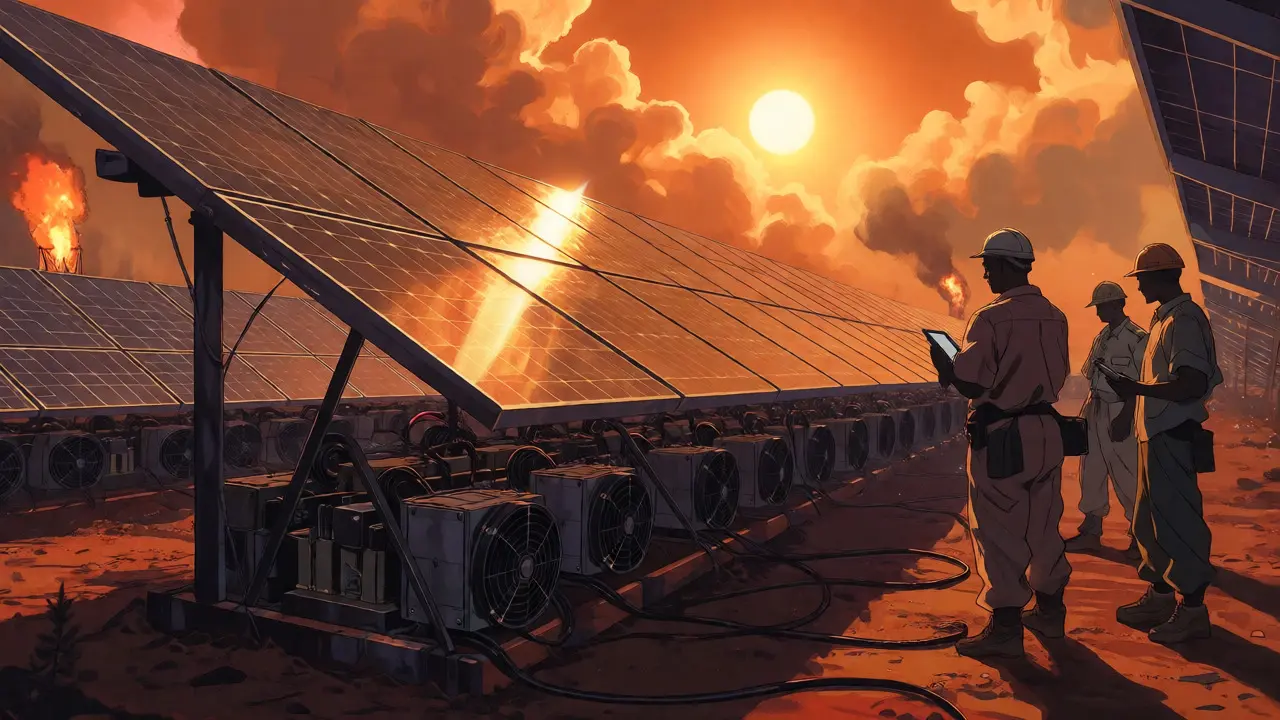
Nigeria’s power supply remains erratic. Running ASICs or GPUs on a standard residential connection leads to massive diesel generator costs. With global hash rates rising, profit margins squeeze tighter. Many Nigerian miners have relocated operations to countries with cheaper, stable energy or better regulatory clarity, like Kazakhstan or parts of Canada.
However, local innovation is thriving. Some miners are partnering with solar providers or utilizing excess gas from oil fields-a strategy gaining traction in the Niger Delta region. If you plan to stay, your energy cost per kilowatt-hour must be below $0.08 to be competitive. Anything higher, and you’re essentially burning money.
Enforcement and Future Outlook
The Economic and Financial Crimes Commission (EFCC) and the Nigerian Financial Intelligence Unit (NFIU) are actively coordinating with the SEC and CBN. They aren't just looking at big exchanges; they are scanning for anomalies in transaction flows.
The National Blockchain Policy 2023 encourages adoption but emphasizes security and transparency. We are seeing a shift from "ban everything" to "regulate what we can control."
What does this mean for you?
- Register Your Business: Even if you are a sole trader, register with the Corporate Affairs Commission (CAC).
- Audit Your Electricity: Get a dedicated meter for your mining rig. Mixed usage makes tax deductions impossible.
- Use Licensed Exchanges: Stop sending large sums through personal bank accounts linked to P2P trades. Use a corporate account linked to a licensed platform.
- Watch the SEC Announcements: New guidelines for "mining-as-a-service" models are expected soon.
Nigeria remains one of the most vibrant crypto markets in the world. The people are hungry for financial freedom. But the era of "wild west" mining is ending. The winners in 2026 will be those who treat mining as a regulated business, not just a hobby.
Is crypto mining completely illegal in Nigeria?
No, it is not explicitly illegal. However, it is heavily restricted by indirect regulations regarding banking, taxation, and securities licensing. You can mine, but you cannot easily transact or scale without complying with SEC and CBN rules.
Do I need an SEC license to mine Bitcoin alone?
If you are a solo miner keeping coins for personal investment, you generally don't need a full VASP license. However, if you sell services, host rigs for others, or run a mining pool accessible to the public, you likely fall under SEC oversight and require registration.
Can I use my personal bank account for crypto mining profits?
It is risky. Banks may freeze accounts showing frequent, high-value transfers from crypto platforms. It is better to use a business account linked to a licensed Virtual Asset Service Provider (VASP) to maintain a clean audit trail.
How is crypto mining taxed in Nigeria?
Under the Nigeria Tax Administration Act (NTAA) 2025, mining income is subject to tax. Non-compliance carries heavy fines starting at ₦10 million. You must report income based on the fair market value of the assets when received.
Why is electricity a major problem for Nigerian miners?
Grid instability forces reliance on diesel generators, which significantly increases operational costs. To be profitable, miners need energy costs below $0.08/kWh, which is difficult to achieve without private solar or industrial power solutions.