LFJ v2 (Avalanche) Crypto Exchange Review: Fees, Features & Risks
Trading on Ethereum can feel like paying a toll just to breathe. Gas fees spike during peak hours, transactions take minutes, and the complexity of bridging assets across chains often leaves casual traders frustrated. If you are looking for a faster, cheaper alternative within the Avalanche ecosystem, LFJ v2 is likely the name popping up in your search results. Formerly known as Trader Joe, this platform has rebranded and evolved into a comprehensive non-custodial decentralized exchange (DEX) that combines basic swapping with lending, staking, and analytics tools.
This review breaks down what LFJ v2 actually offers in 2026, how its fees compare to giants like Uniswap, and whether it is worth your time if you are new to DeFi or an experienced trader seeking efficiency. We will look at the real numbers, the user experience, and the potential pitfalls so you can decide if this is the right tool for your wallet.
What Is LFJ v2 and Why Does It Matter?
LFJ v2 is not just a simple swap interface; it is an all-in-one financial hub built specifically for the Avalanche blockchain. The platform was established in 2024 as an evolution of the original Trader Joe, which had already gained a loyal following for its yield farming opportunities. By rebranding to LFJ (a nod to the 'Local Farm J' community spirit), the team signaled a shift toward broader utility.
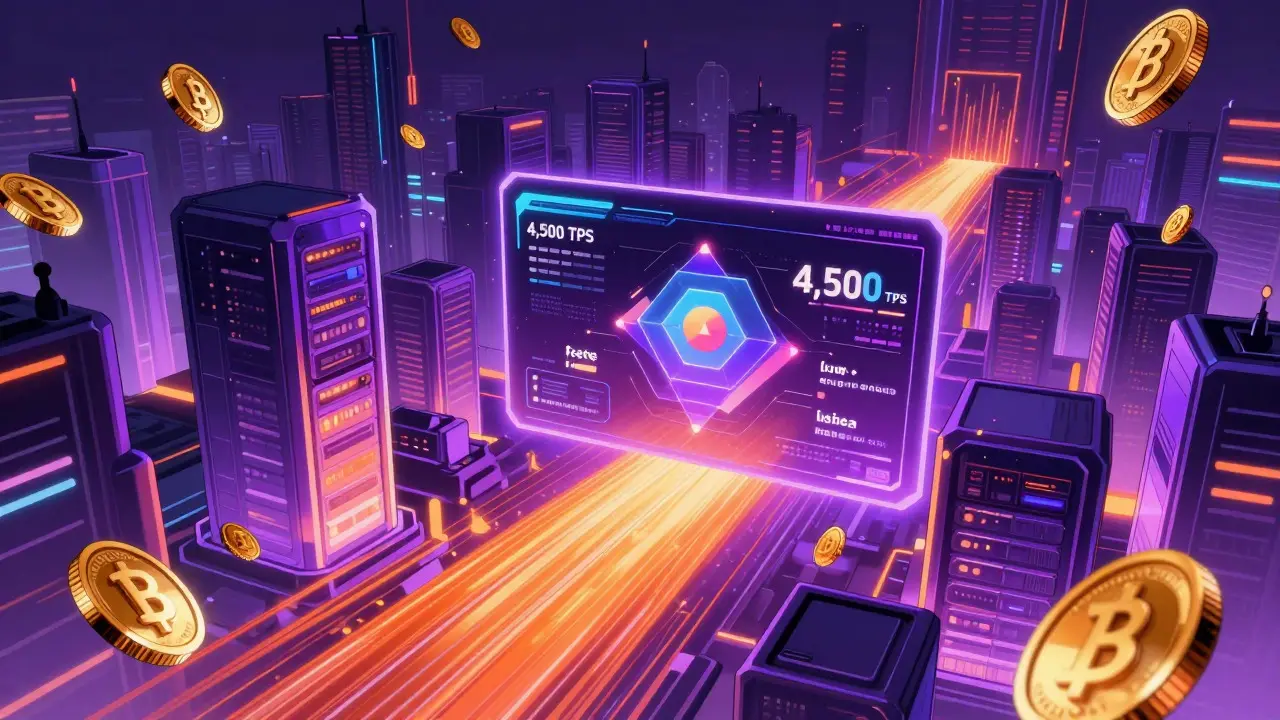
The core value proposition here is speed and cost. Unlike Ethereum-based DEXs that struggle with congestion, Avalanche processes approximately 4,500 transactions per second (TPS) with finality times around two seconds. This technical backbone allows LFJ to maintain transaction fees averaging just 1-5 cents. For context, a single swap on Uniswap during high network activity can cost between $1.50 and $5.00 in gas fees alone. If you trade frequently, this difference adds up quickly.
According to Coin Bureau, LFJ holds the title of the top DEX on Avalanche, commanding an estimated 45-50% market share of DeFi activity on the network. It serves as the primary gateway for users wanting to interact with Avalanche-native assets without leaving the ecosystem. Whether you are swapping stablecoins for AVAX or providing liquidity for newer tokens, LFJ is the default choice for most participants in this space.
Key Features Beyond Basic Swapping
If you think a DEX is only for buying and selling tokens, LFJ might surprise you. The platform integrates several DeFi protocols into one interface, reducing the need to hop between different websites. Here is what you get out of the box:
- Liquidity Pools: Earn rewards by adding your tokens to trading pools. This is where most of the volume comes from, but it also introduces the risk of impermanent loss.
- Lending and Borrowing: Use your crypto assets as collateral to borrow other tokens or earn interest on idle funds.
- Staking: Stake AVAX or other supported tokens to help secure the network and earn yields.
- Launchpad: Access early-stage token sales directly through the platform, similar to an Initial DEX Offering (IDO).
- Analytics Tools: Built-in dashboards help you track portfolio performance, pool health, and price movements without needing third-party apps.
This integration is what sets LFJ apart from simpler competitors like PancakeSwap on BNB Chain. While PancakeSwap offers lower base trading fees (0.25% vs. LFJ's 0.3%), it lacks the depth of integrated services. LFJ acts more like a mini-bank for your Avalanche holdings, allowing you to manage your entire DeFi strategy in one place.
Fees, Trading Pairs, and Real-World Costs
Let’s talk numbers, because in crypto, details matter. LFJ charges a standard trading fee of 0.3% on swaps. On top of that, you pay the network gas fee, which, as mentioned, is typically under 5 cents. However, there is another hidden cost to consider: the bid-ask spread. The average spread on LFJ is reported at 0.637%. For highly liquid pairs like WAVAX/USDC, this is negligible. But for smaller, less popular tokens, the spread can widen significantly, eating into your profits.
| Feature | LFJ v2 (Avalanche) | Uniswap (Ethereum) | PancakeSwap (BNB Chain) |
|---|---|---|---|
| Trading Fee | 0.3% | 0.3% | 0.25% |
| Avg. Gas Fee | $0.01 - $0.05 | $1.50 - $5.00 | $0.05 - $0.10 |
| Transaction Speed | ~2 seconds | 10-60 seconds | ~3 seconds |
| Supported Assets | Avalanche Native + Wrapped | Ethereum Native + ERC-20 | BNB Chain Native + BEP-20 |
| Integrated Services | Lending, Staking, Launchpad | Basic Swap, NFTs | Synths, Prediction Markets |
Regarding asset availability, data varies slightly between sources. CoinGecko lists around 43 coins and 60 trading pairs, while Coin Bureau reports higher figures of 171 coins and 266 pairs. This discrepancy likely stems from how 'active' pairs are defined. In practice, you will find deep liquidity for major assets like USDC, AVAX, and wrapped Bitcoin (BTC.b). The most active pair is WAVAX/USDC, which saw over $32 million in volume in a recent 24-hour period. If you are looking for obscure micro-cap tokens, liquidity may be thin, so always check the order book depth before executing large trades.

User Experience and Learning Curve
Here is where opinions diverge. If you are a seasoned DeFi user, you will probably appreciate the density of features. Everything is accessible from the main dashboard, and the whitepaper is detailed enough for technical users to verify smart contract safety. However, for beginners, the interface can feel overwhelming.
Reddit users on r/avalanche have shared mixed experiences. One user noted, "Swapped $500 worth of tokens for under 3 cents in gas - game changer compared to Uniswap." Another admitted, "Struggled with the interface for the first 2 weeks but now appreciate the all-in-one functionality." This highlights the steep learning curve associated with platforms that do more than just swap tokens.
To get started, you need a compatible wallet like MetaMask or Core Wallet configured for the Avalanche C-Chain. You must hold some AVAX for gas fees; keeping at least $5 worth of AVAX in your wallet is recommended to avoid running out of funds during network congestion. Once connected, the UI guides you through swapping, but navigating the lending and farming sections requires understanding concepts like Annual Percentage Yield (APY) and impermanent loss.
Risks and Potential Pitfalls
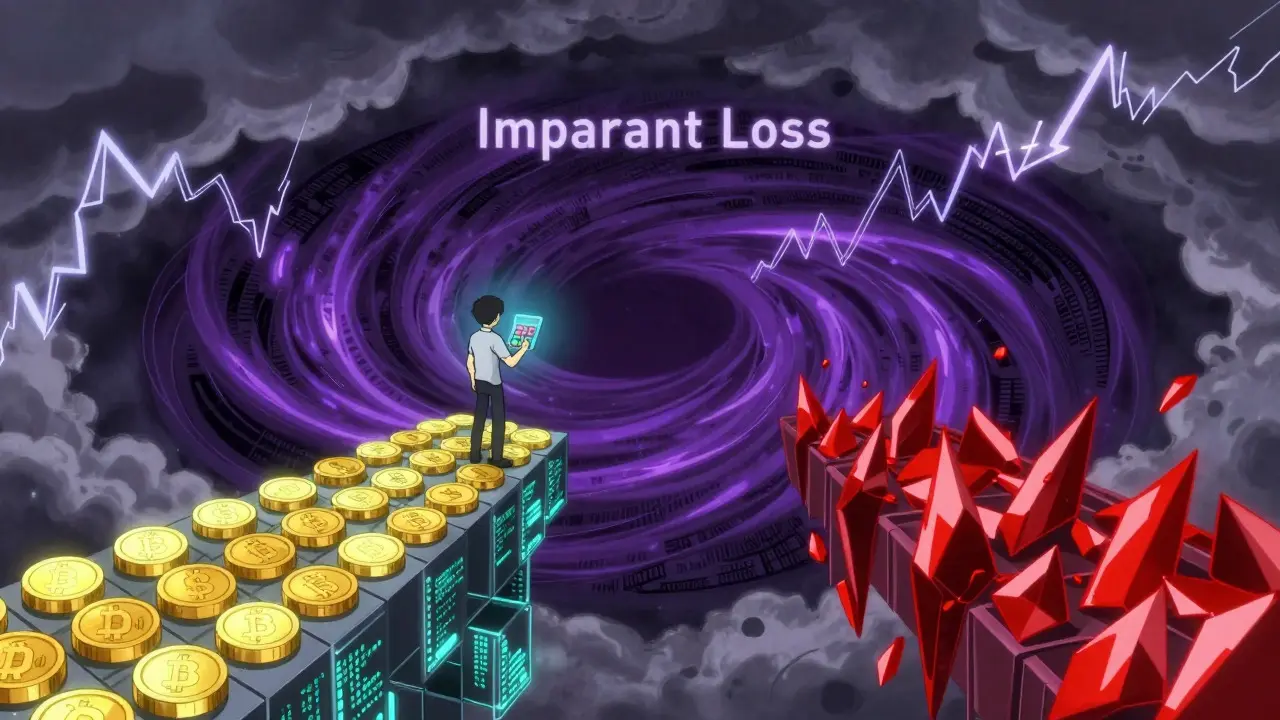
No DeFi platform is without risk, and LFJ is no exception. The biggest risk for most users is impermanent loss when providing liquidity. If you add a pair of tokens to a pool and their prices diverge, you may end up with fewer total dollars than if you had just held the tokens in your wallet. One Trustpilot reviewer lost $120 this way before fully grasping the mechanics. Always calculate potential losses using online calculators before committing funds.
Another consideration is the exclusive focus on the Avalanche ecosystem. While wrapped versions of Bitcoin (BTC.b) and Ethereum (WETH.e) are available, they are not native assets. This means you rely on bridge security and the stability of these wrapped tokens. If you prefer trading native Bitcoin or Ethereum without bridging risks, cross-chain DEXs like THORSwap might be a better fit, though they come with their own complexities and fees.
Regulatory uncertainty also looms over all DEXs. The SEC's ongoing guidance on automated market makers creates a gray area. However, Avalanche's jurisdictional structure provides some insulation compared to purely US-centric projects. Still, keep an eye on regulatory news, especially if you are holding significant amounts of assets on the platform.
Who Should Use LFJ v2?
LFJ v2 is ideal for traders who are already invested in the Avalanche ecosystem. If you hold AVAX or use Avalanche-based DeFi protocols, LFJ is the most efficient way to manage those assets. It is particularly useful for those who want to combine trading with yield generation (farming/lending) without switching platforms.
It is less suitable for complete beginners who want a simple, low-risk entry point into crypto. The complexity of the interface and the risks associated with advanced DeFi strategies make it a challenging starting point. For casual traders who only want to buy and sell ETH or BTC, a centralized exchange or a simpler DEX might be less stressful.
In terms of long-term viability, Messari Crypto rates LFJ as having 'high potential' with a 78% probability of sustained relevance through 2027. Its strategic position within Avalanche's expanding institutional partnerships, including initiatives with Sierra for real-world assets, suggests it will remain a key player in the space. As Avalanche continues to grow, LFJ benefits directly from increased network activity and liquidity.
Frequently Asked Questions
Is LFJ v2 safe to use?
LFJ operates as a non-custodial DEX, meaning you control your funds via your private keys. Smart contract audits are regular, and the platform has a strong track record since its inception as Trader Joe. However, all DeFi platforms carry inherent smart contract risk. Always double-check contract addresses and start with small amounts if you are new to the protocol.
What wallet do I need to use LFJ?
You need a wallet compatible with the Avalanche C-Chain. Popular choices include MetaMask, Core Wallet, and Trust Wallet. Ensure your wallet is configured to connect to the Avalanche network before attempting to connect to the LFJ interface. You will also need to hold AVAX for transaction fees.
How does LFJ compare to Uniswap?
The main differences are speed and cost. LFJ runs on Avalanche, offering 2-second transaction times and sub-cent gas fees. Uniswap runs on Ethereum, which is slower and significantly more expensive during peak times. LFJ also offers more integrated DeFi services like lending and launchpads, whereas Uniswap focuses primarily on swapping and NFTs.
Can I trade Bitcoin on LFJ?
Yes, but you will be trading wrapped Bitcoin (BTC.b), not native Bitcoin. This means the asset is bridged onto the Avalanche network. While generally stable, wrapped assets introduce additional layer of trust regarding the bridge mechanism. For direct native Bitcoin exposure, you would need to use a different chain or a cross-chain bridge.
What is impermanent loss?
Impermanent loss occurs when you provide liquidity to a DEX pool and the relative price of your two tokens changes. If the prices move apart, the value of your position in the pool may be lower than if you had simply held the tokens in your wallet. It is called 'impermanent' because if the prices converge back to the initial ratio, the loss disappears. It is a critical concept to understand before using LFJ's farming features.