DAR Open Network (D) Airdrop Guide: How the Play-2-Airdrop System Works
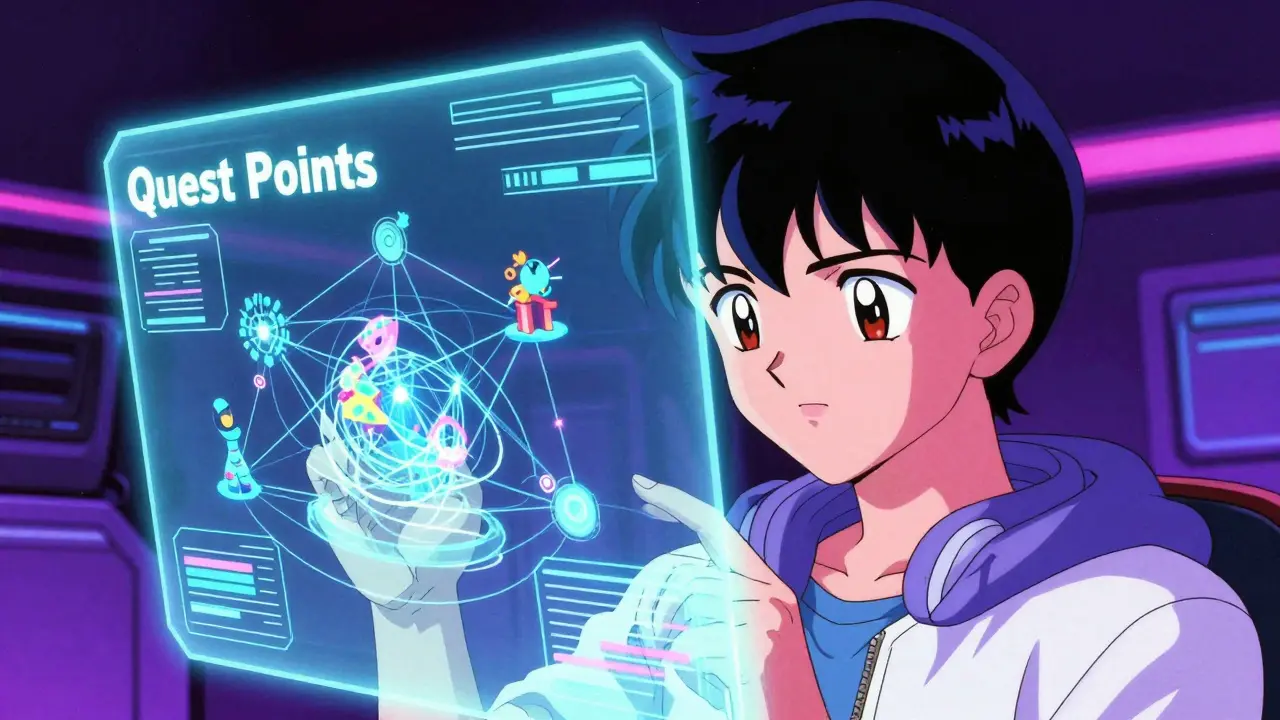
Getting free tokens usually involves a lot of guesswork, but the DAR Open Network is an AI-powered, chain-agnostic infrastructure provider that allows users to earn rewards through actual gameplay. Instead of just hoping for a random drop, they've built a system where your skill and time spent in games translate directly into tokens. This approach shifts the focus from mindless clicking to a merit-based reward system.
The Play-2-Airdrop Mechanism
The heart of this ecosystem is the Web3 Quest System, which launched in September 2025. It's designed to stop the "pump and dump" cycle common in many crypto projects by rewarding consistent engagement. To get your hands on the D token, you don't just sign up; you participate in the Play-2-Airdrop competition. This means you earn Quest Points by completing daily, weekly, and seasonal tasks across various games in the network.
The system is structured in four-week seasons. For example, the first season featured a massive pool of 100,000 D tokens. Your share of that pool depends on how many Quest Points you rack up. It's a simple equation: the more you play and the harder the quests you complete, the bigger your slice of the airdrop. This creates a bridge between different games in the ecosystem, encouraging you to try new titles to maximize your earnings.
How to Earn Quest Points and D Tokens
If you're looking to maximize your DAR Open Network rewards, you need to understand the different types of assets you'll encounter. It isn't just about the final token; there's a whole economy running in the background.
- Quest Points: These are your primary ticket to the airdrop. They track your progress and determine your rank in the competition.
- Moon Coins: An in-game currency used for immediate utility within the games.
- Exclusive Rewards: Rare items or badges that can sometimes boost your earning potential.
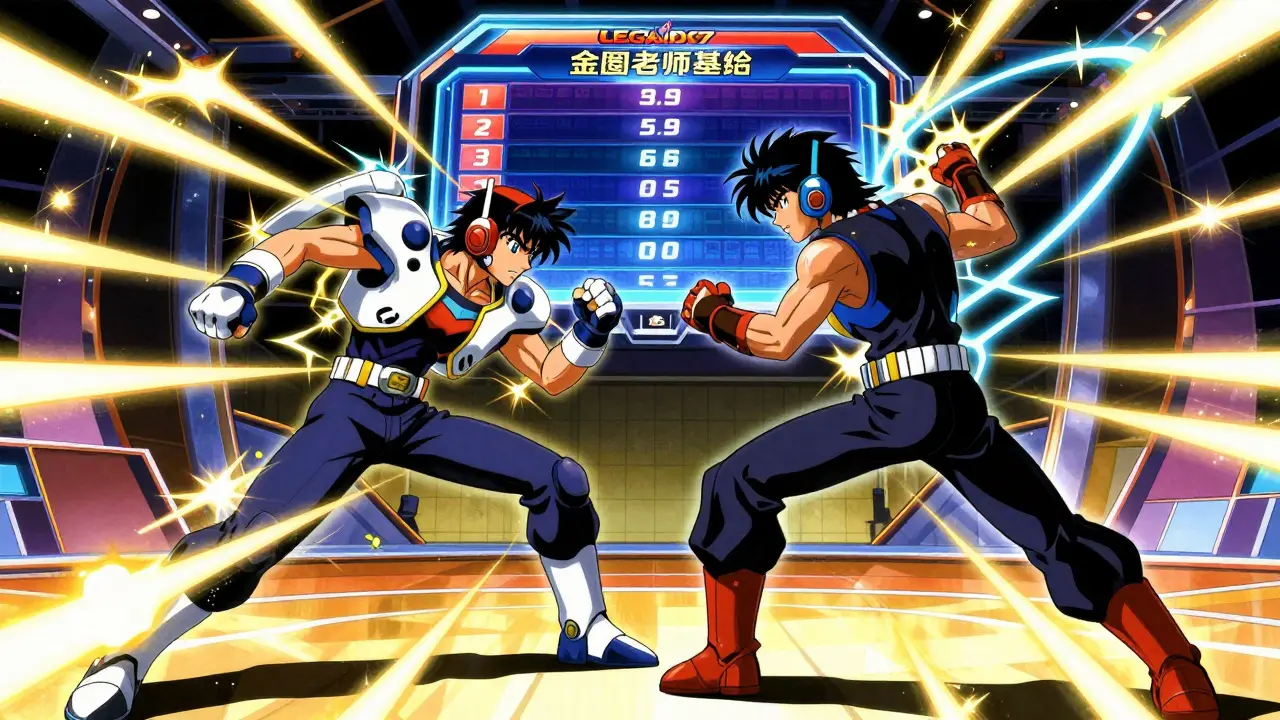
For those who enjoy a competitive edge, the Legends Circuit in Dalarnia Legends provides a clear path to high-tier rewards. It starts with daily tournaments that act as qualifiers. If you're skilled enough, you can climb the ranks to the flagship tournaments and potentially land a spot in the Grand Masters Final, where only 64 players compete. This ensures that while casual players can still earn through daily quests, the "pro" gamers have a high-stakes environment to aim for.
| Tier | Activity | Primary Reward | Effort Level |
|---|---|---|---|
| Casual | Daily/Weekly Quests | Quest Points & Moon Coins | Low |
| Competitive | Legends Circuit Tournaments | Higher Quest Point Multipliers | Medium |
| Elite | Grand Masters Final | Significant D Token Allocation | High |
Utility and Value of the D Token
A token is only as good as what it does. The D token isn't just a reward for playing games; it's the fuel for the entire infrastructure. Because the network is chain-agnostic, the token maintains utility across different blockchain environments, reducing the friction usually found when moving assets between different networks.
Beyond the airdrop, you can use D tokens for several practical purposes. Many users engage in staking and lending to generate passive income, often utilizing financial products on platforms like Bitget. There's also a strong marketplace component where D tokens are used for transactions, ensuring that there's a constant demand for the token outside of the quest system. For those who prefer a more active trading strategy, the token's volatility provides arbitrage opportunities, though this carries higher risk.
If you earn other crypto rewards through the ecosystem, you don't have to keep them in separate wallets. The network supports easy conversion into D tokens via swap mechanisms, making it easier to consolidate your winnings and use them within the DAR gaming suite.
Avoiding Common Airdrop Pitfalls
Many people fail to maximize their airdrops because they treat them like a lottery. In the DAR Open Network, the biggest mistake is ignoring the "seasonal" nature of the rewards. If you only play for one week and stop, you're leaving money on the table because the distribution is based on cumulative performance over the four-week cycle.
Another common error is sticking to just one game. The infrastructure is designed to reward exploration. By playing across different titles within the network, you unlock more quest opportunities and diversify your points. Think of it as a loyalty program for the entire ecosystem rather than a single game.
Looking Ahead: The Future of DAR Rewards
The success of the initial 100,000 D token pool has set a precedent for future seasons. As more games integrate into the AI-powered infrastructure, we can expect the reward pools to scale. The network is moving toward a model where AI optimizes how rewards are distributed, potentially making it even more fair for players who contribute actual value to the ecosystem.
As the network expands, the link between gameplay and tokenomics will likely tighten. We may see more "Learn2Earn" and "Assist2Earn" programs, where referring friends or completing educational modules about the blockchain provides an additional stream of D tokens. This creates a virtuous cycle: more players lead to more data for the AI, which improves the games, attracting even more users.
What exactly is the Play-2-Airdrop system?
It is a reward mechanism by the DAR Open Network where gamers earn Quest Points by completing specific tasks in supported web3 games. These points then determine the amount of D tokens they receive during the monthly airdrop distribution.
Do I need to be a pro gamer to earn D tokens?
No. While the Legends Circuit offers high rewards for competitive players, casual players can still earn Quest Points and D tokens by completing daily and weekly quests.
How often are the airdrops distributed?
The system operates on a seasonal basis, typically with a four-week cycle. Rewards are distributed at the end of these seasons based on the performance and points accumulated by the players.
What can I do with D tokens besides selling them?
D tokens have multiple utilities: they can be used for governance, staking to earn interest, purchasing items in the marketplace, and as in-game currency for various titles within the network.
Is the DAR Open Network limited to one blockchain?
No, it is a chain-agnostic infrastructure, meaning it is designed to work across multiple different blockchain networks to make it easier for developers and players to interact regardless of the specific chain they use.
Comments
Lisa Camp
April 22, 2026 AT 20:17LFG! Stop sleeping on this and get your grind on right now! If you aren't hitting those daily quests you're basically throwing money away! Let's get those D tokens and dominate the leaderboard!
Miranda Jamieson
April 23, 2026 AT 06:31Typical crypto hype. Most of you are just chasing a shiny object without understanding the underlying tokenomics. The "merit-based" claim is cute, but let's be real, it's just another way to keep you hooked on a screen for hours for pennies.
Greg Reynolds
April 23, 2026 AT 08:04The chain-agnostic claim is a bit of an oversimplification. While it provides an abstraction layer, the actual interoperability still depends on the bridge security of the supporting networks, which is the real bottleneck here.
Alex Wan
April 25, 2026 AT 02:49This is a truly remarkable approach to user acquissition! I believe that by gamifying the reward process, DAR is creating a sustainable ecosystem for all stakeholders involved. It is quite inspiring to see such a structured path for both casuals and pros! 🌟
Paige Raulerson
April 25, 2026 AT 22:26Honestly, the effort required for the "Elite" tier is just tedious. I can't imagine spending my limited free time grinding through a Grand Masters Final just to feel a sense of digital accomplishment. It's all so dreadfully middle-brow.
Findlay Duncan Lyon
April 26, 2026 AT 11:59Brilliant setup. Very clean.
praveen subbiah
April 27, 2026 AT 01:57Absolute gold! This kind of innovation is exactly what we need to see more of! The scale of this project is just breathtaking and it's going to put so many others to shame! Jai Hind! 🇮🇳
Larry Yang
April 27, 2026 AT 07:56the whole "seasonal" thing is just a psychological trick to force retension. it's basically a digital treadmill where the carrot keeps moving. laziest design choice in modern web3 if you actually analyze the churn rates.
Benjamin Forg
April 28, 2026 AT 15:26you think it's just a game but the ai is actually mapping your behavior patterns for the higher ups. its not a reward system its a data harvest and the d token is just the bait to keep the cattle in the pen
Robert Mosolygo
April 29, 2026 AT 17:28The volatility mentioned for arbitrage is a red flag. Any system that encourages high-risk trading alongside a "stable" gaming ecosystem is designed to liquidate retail users. The math doesn't add up if you look at the liquidity pools.
Sarah Fisher
May 1, 2026 AT 07:08It's interesting how this mirrors the concept of "Proof of Work" but applies it to leisure and skill. It shifts the value from capital to time and effort, which feels like a more equitable way to distribute wealth in a digital society.
Ali Tate
May 2, 2026 AT 03:02Imagine not getting into the legends circuit lol. absolute clown show. my setup is light years beyond what these casuals are using. stay poor i guess
Ellie Drews
May 3, 2026 AT 00:25I love that there's a spot for casual players too! It makes the whole thing feel so much more welcoming. Just take it one day at a time and enjoy the games!
jill huyo-a
May 4, 2026 AT 05:35I'm really liking the idea of a chain-agnostic setup. It takes away so much of the stress when you don't have to worry about which bridge you're using every five minutes. It's a great way to onboard people who are scared of the technical side.
Doc Coyle
May 4, 2026 AT 12:59The simple truth is that most people will still fail because they lack the discipline to follow a four-week cycle. Consistency is a virtue that is unfortunately rare in the crypto community.
Sara Ellis
May 5, 2026 AT 05:09just play the games get the coins easy
Mike Word
May 6, 2026 AT 18:44I've noticed a lot of similar models in other ecosystems, but the AI-powered distribution is a unique twist. I wonder how they handle the botting issue, as that usually kills these merit-based systems pretty quickly.
Alex Wan
May 7, 2026 AT 11:07I must say, the way this creates a bridge between different titles is truly a masterpiece of design! It encourages a diverse array of experiences and fosters a community of multifaceted gamers. Let us all embrace this new frontier of digital achievement together with enthusiasm and a spirit of collaboration! It is truly a glorious time to be involved in the blockchain revolution!