Bull Finance Airdrop (BULL): Eligibility, Claims & Safety Guide
Have you seen the chatter about the Bull Finance airdrop? If you're scrolling through crypto Twitter or Discord servers, you've likely noticed people talking about free tokens. It’s tempting to jump in, but here is the hard truth: most airdrop guides are outdated within weeks. The landscape of decentralized finance (DeFi) moves fast, and details change daily.
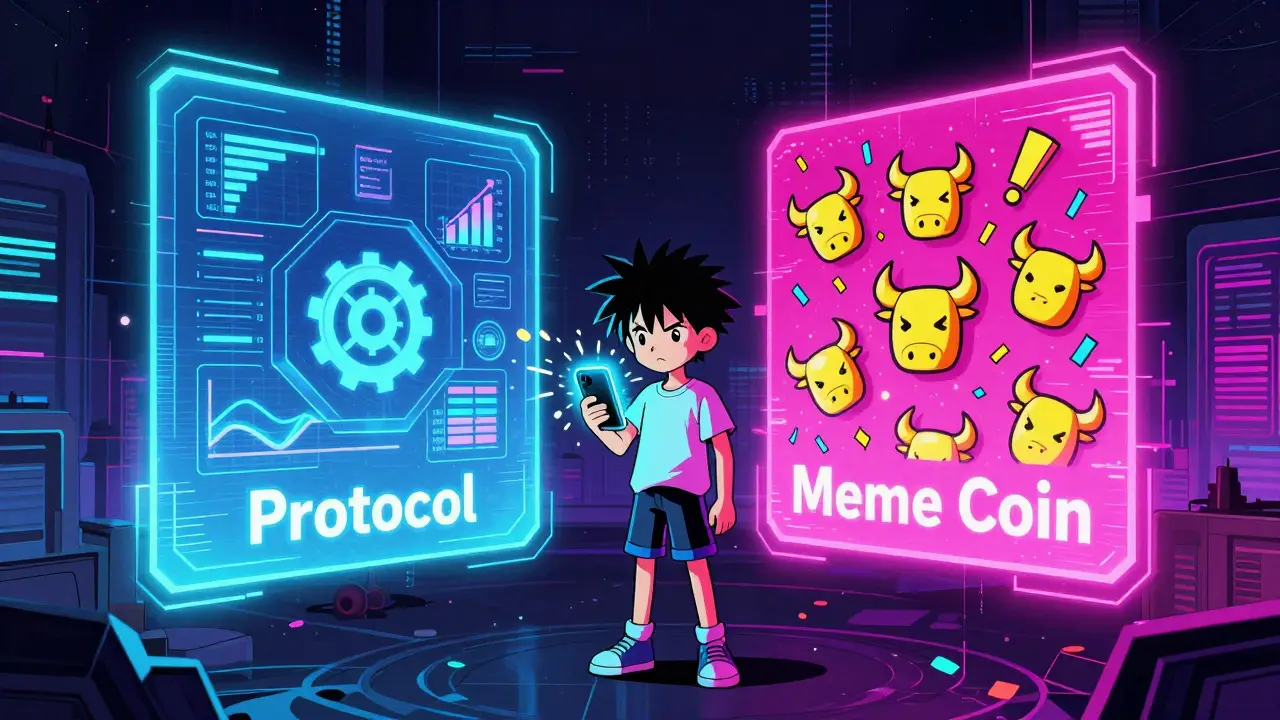
Right now, there is significant confusion surrounding projects with "Bull" in their name. Many users mix up Bull Finance, a DeFi protocol focused on yield aggregation and lending, with BTC Bull Token ($BTCBULL), which is a separate meme coin built on Ethereum. This distinction matters because the eligibility criteria, risks, and claiming processes are completely different. Getting this wrong means wasting gas fees or, worse, connecting your wallet to a scam site.
Understanding the Bull Finance Protocol
Before you worry about claiming tokens, you need to know what you are interacting with. Bull Finance is typically categorized as a decentralized finance (DeFi) platform that offers lending, borrowing, and yield farming services. Unlike simple meme coins that rely on hype, protocols like Bull Finance usually have utility. They allow users to deposit assets like ETH or stablecoins to earn interest or use those deposits as collateral for loans.
The core value proposition of such platforms lies in their automated market makers (AMMs) and liquidity pools. When a project launches an airdrop, it is often rewarding early adopters who helped provide liquidity or test the smart contracts during the beta phase. Understanding this helps you realize that an airdrop isn't just "free money"; it's a retroactive reward for usage. If you haven't used the platform yet, you might be too late for the initial snapshot, but secondary opportunities may exist.
Airdrop vs. Meme Coin: Clearing the Confusion
This is the most critical step in your research. As noted in recent market data, search results often conflate two distinct entities:
- Bull Finance (Protocol): A DeFi application focused on financial utilities. Its token (often ticker $BULL or similar) is used for governance, fee discounts, and staking rewards.
- BTC Bull Token ($BTCBULL): A Bitcoin-inspired meme coin on the Ethereum network. Its value is driven by community sentiment and marketing rather than underlying financial utility.
If you are looking for the Bull Finance airdrop, ensure you are visiting the official website of the DeFi protocol, not the social media pages of the meme coin. Connecting your wallet to the wrong contract address can lead to unauthorized token approvals, which scammers exploit to drain funds. Always verify the contract address on trusted aggregators like CoinGecko or CoinMarketCap before interacting.
| Feature | Bull Finance (DeFi Protocol) | BTC Bull Token (Meme Coin) |
|---|---|---|
| Primary Function | Lending, Borrowing, Yield Farming | Speculative Trading, Community Hype |
| Blockchain | Often Multi-chain (Ethereum, BSC, etc.) | Ethereum (ERC-20) |
| Airdrop Basis | Historical Usage, Liquidity Provided | Social Media Tasks, Early Holder Status |
| Risk Level | Smart Contract Risk, Impermanent Loss | High Volatility, Rug Pull Potential |

How to Check Your Eligibility
If you suspect you might be eligible for the Bull Finance airdrop, follow these steps carefully. Do not rush. Scammers thrive on urgency.
- Verify the Official Snapshot Date: Most DeFi protocols announce a specific block number or timestamp when they take a "snapshot" of user balances. Check the official Twitter account or Discord announcements for this date. If you started using the platform after this date, you are likely not eligible for the initial drop.
- Check Your Wallet History: Look at your transaction history on Etherscan or BscScan. Did you interact with the Bull Finance smart contracts? Did you approve tokens for spending? These interactions are often the key metrics for eligibility.
- Use Official Claim Sites Only: Never click links from DMs. Go directly to the URL bookmarked from their verified social media profiles. Look for the "Claim" button on the dashboard. If the site asks for your private key or seed phrase immediately, close the tab. Legitimate sites only ask for a wallet connection signature.
- Calculate Gas Fees: Ensure you have enough native currency (ETH, BNB, MATIC) to cover transaction fees. Sometimes, the cost of claiming exceeds the value of the airdrop, especially if the token price drops post-launch.
Safety First: Avoiding Common Pitfalls
Crypto security is non-negotiable. Even legitimate airdrops can be vectors for attacks if you aren't careful. Here is how to protect yourself while navigating the Bull Finance ecosystem.
Revoke Unnecessary Approvals: Before connecting your wallet to any new dApp, check your existing approvals using tools like Revoke.cash. Old permissions from previous interactions can be exploited. After claiming, revoke access to the claim contract if it no longer needs permission to spend your tokens.
Beware of Impersonators: Search terms like "Bull Finance" bring up many fake websites designed to look identical to the real one. Check the domain name character by character. Small typos like "bull-finace.com" instead of "bull-finance.com" are red flags. Also, verify the verification badge on social media platforms.
Start Small: If you are testing a new platform or claiming an airdrop, consider using a burner wallet-a secondary wallet with minimal funds. This isolates risk. If something goes wrong, your main holdings remain safe.

What Happens After You Claim?
Once you have successfully claimed your BULL tokens, the next question is: what do you do with them? Holding is an option, but active participation often yields better returns in DeFi.
Staking: Many protocols allow you to stake your governance tokens to earn more tokens or a share of the platform's trading fees. This locks up your capital but provides passive income. Check the annual percentage yield (APY) offered by Bull Finance. Be aware that high APYs can decrease as more people stake.
Governance: As a holder, you may have voting rights on proposals. These could range from adjusting interest rates to adding new supported assets. Participating in governance ensures the protocol evolves in a way that benefits its users. It also signals to the team that you are a committed community member.
Liquidity Provision: You might pair your BULL tokens with another asset (like ETH or USDT) to provide liquidity on a decentralized exchange. This earns you trading fees but exposes you to impermanent loss-the risk that the value of your deposited assets changes compared to holding them separately.
Future Outlook and Market Context
The broader crypto market context affects every airdrop. In mid-2026, regulatory scrutiny on DeFi has increased globally. Projects like Bull Finance must comply with evolving standards regarding transparency and anti-money laundering (AML). Keep an eye on whether the project publishes regular audits from reputable firms like CertiK or OpenZeppelin. Audits don't guarantee safety, but they reduce the risk of catastrophic smart contract bugs.
Additionally, monitor the tokenomics. What is the total supply? How many tokens are allocated to the team versus the community? A large portion held by insiders can lead to sell pressure later. Transparent vesting schedules-where team tokens are released slowly over time-are a positive sign of long-term commitment.
Is the Bull Finance airdrop still open?
Airdrop windows are time-sensitive. You must check the official Bull Finance Discord or Twitter for the latest snapshot dates. If the initial snapshot has passed, you may still qualify for future campaigns based on current activity, but past eligibility is fixed.
How do I distinguish between Bull Finance and BTC Bull Token?
Bull Finance is a DeFi protocol for lending and yield farming, while BTC Bull Token is a meme coin. Check the contract address on a block explorer. Bull Finance will have complex interaction histories involving swaps and loans, whereas BTC Bull Token transactions are primarily transfers and trades.
Are there fees to claim the airdrop?
You will need to pay gas fees (network transaction costs) to claim the tokens. There should be no upfront payment required in other cryptocurrencies. If a site asks you to send ETH to receive BULL tokens, it is likely a scam.
What wallets are compatible with Bull Finance?
Most DeFi protocols support standard Web3 wallets like MetaMask, Trust Wallet, or Rainbow Wallet. Ensure your wallet is connected to the correct blockchain network (e.g., Ethereum Mainnet, Binance Smart Chain) specified by the protocol.
Can I lose my funds by participating in the airdrop?
Yes, if you connect to a phishing site or approve unlimited spending permissions to a malicious contract. Always verify URLs, use a burner wallet if possible, and revoke approvals after claiming. The primary risk is user error, not the airdrop itself.